Street-legal Yamaha WR250F/WR450Fs impossible to find in Europe?
If you thought homologated Yamaha WR 250F and WR450F four-stroke enduro bikes were impossible to find in parts of mainland Europe, think again as Motos Ausio has restarted sales in Spain.
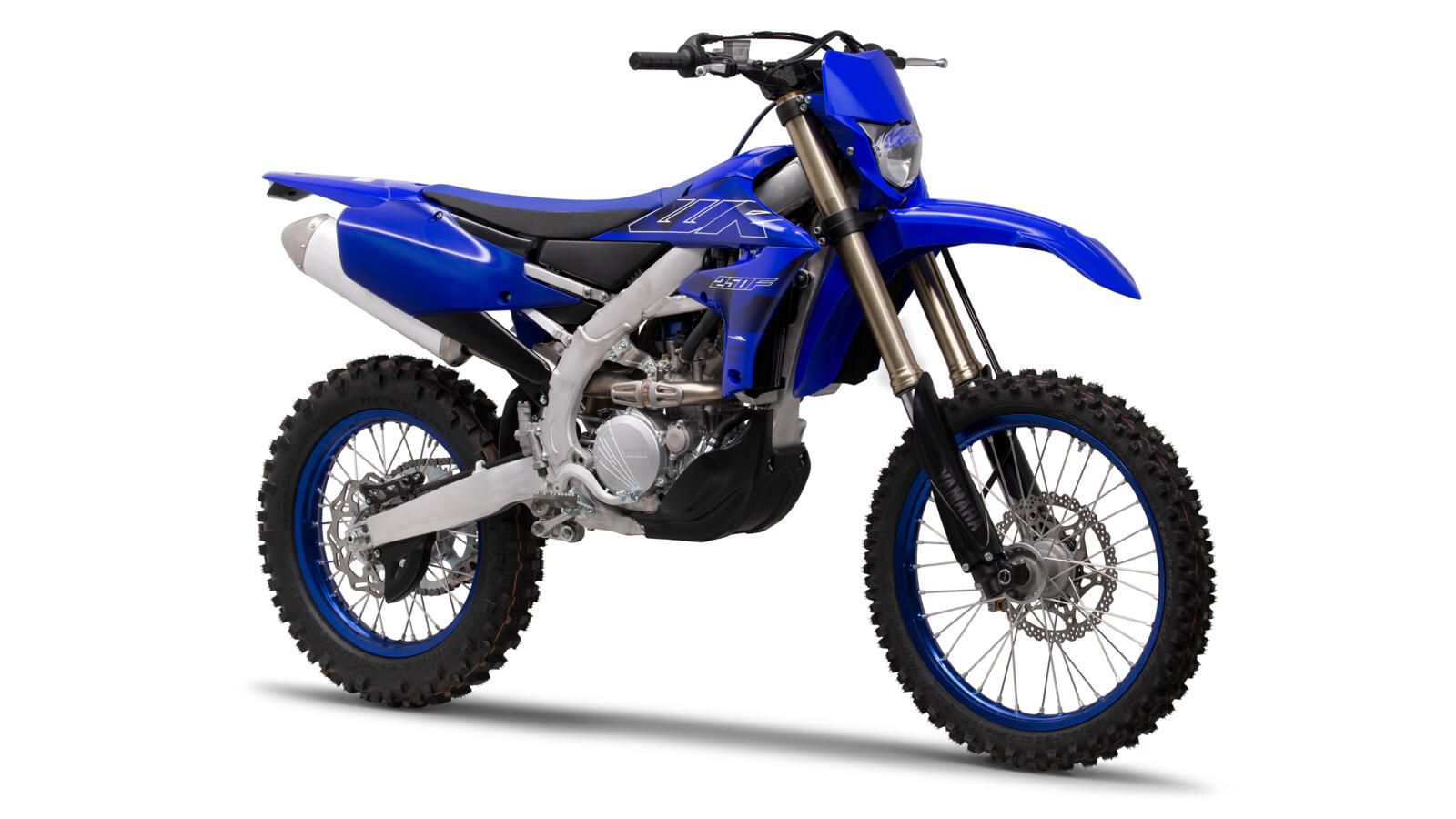
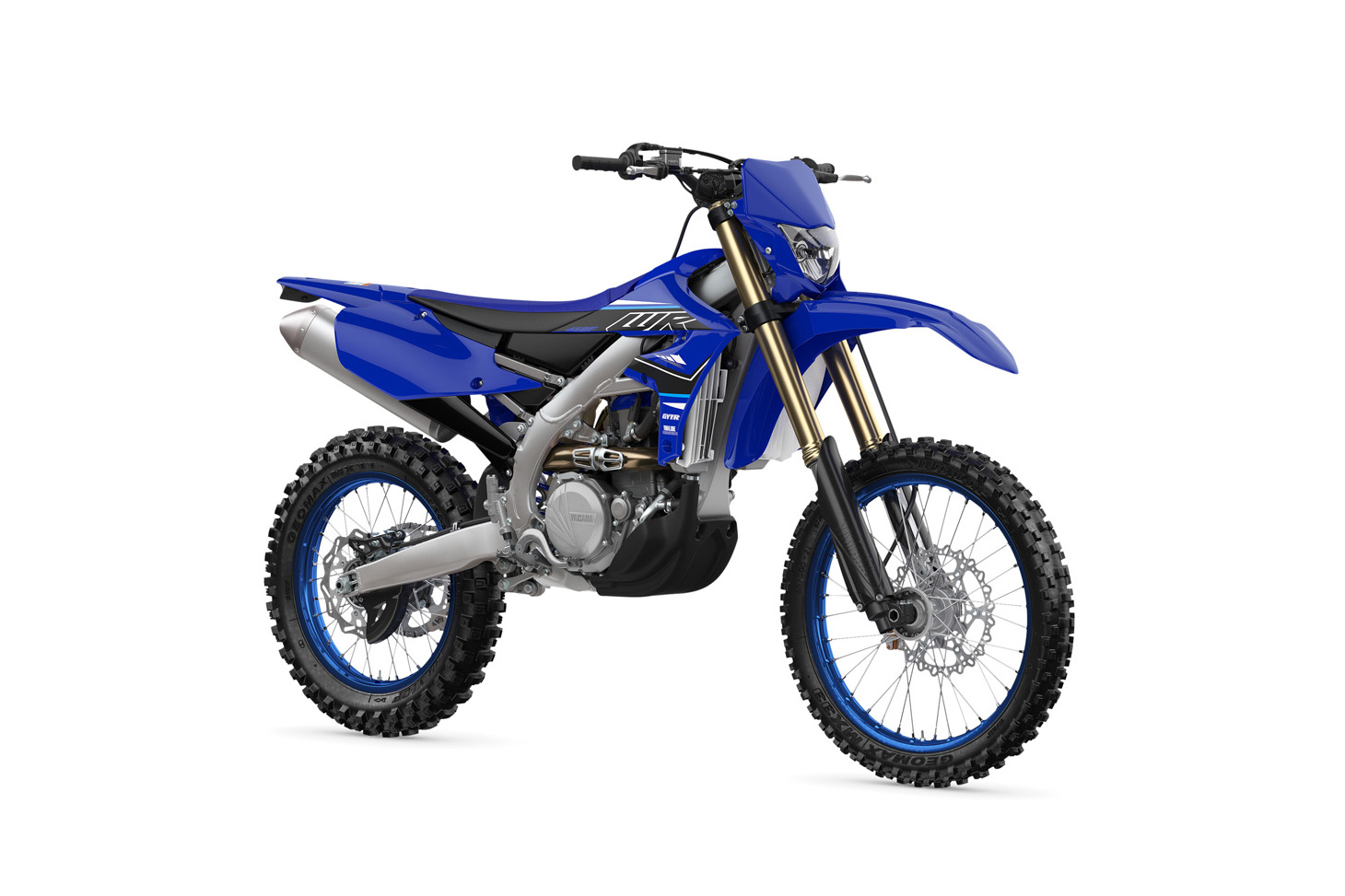
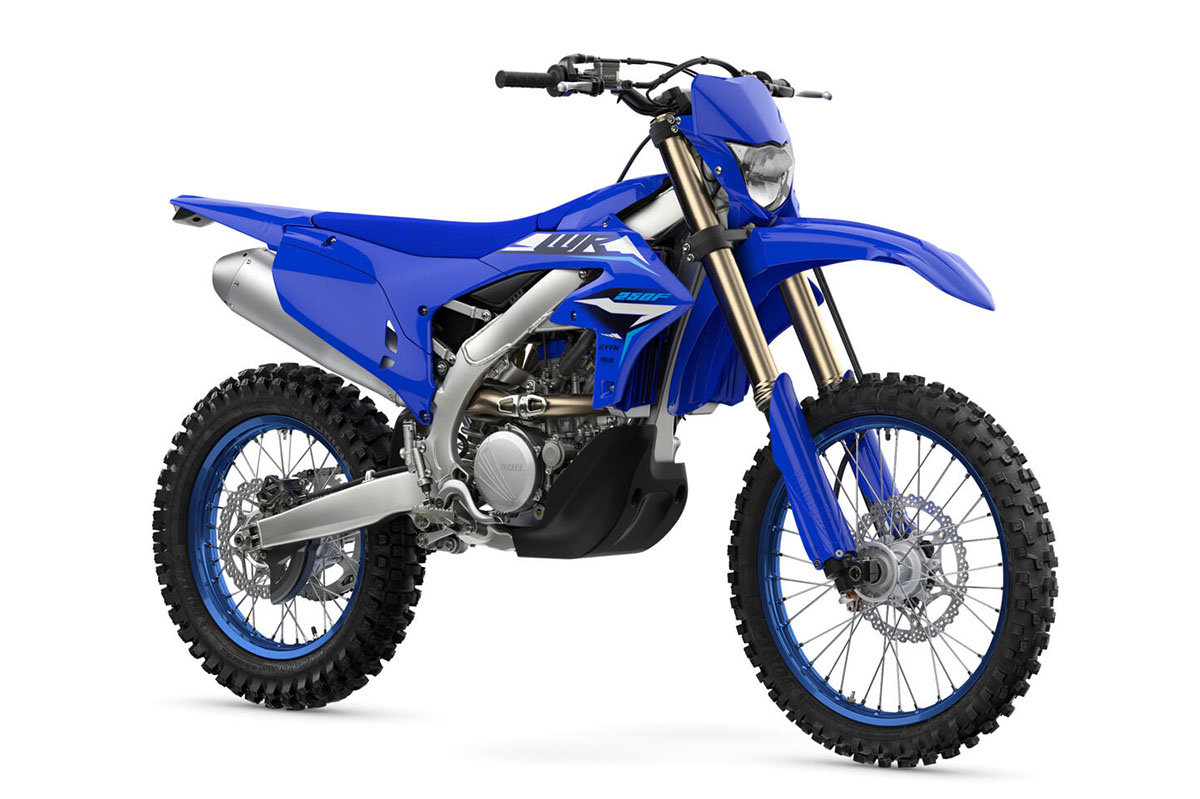
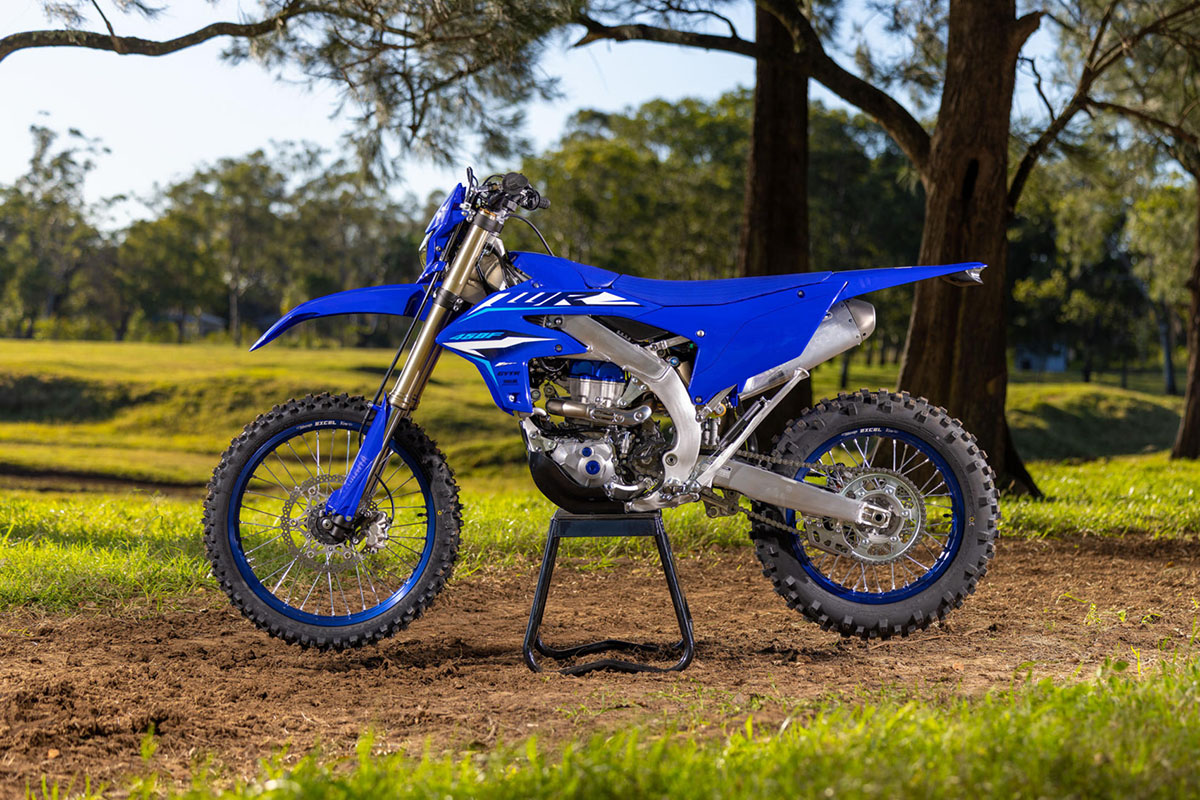
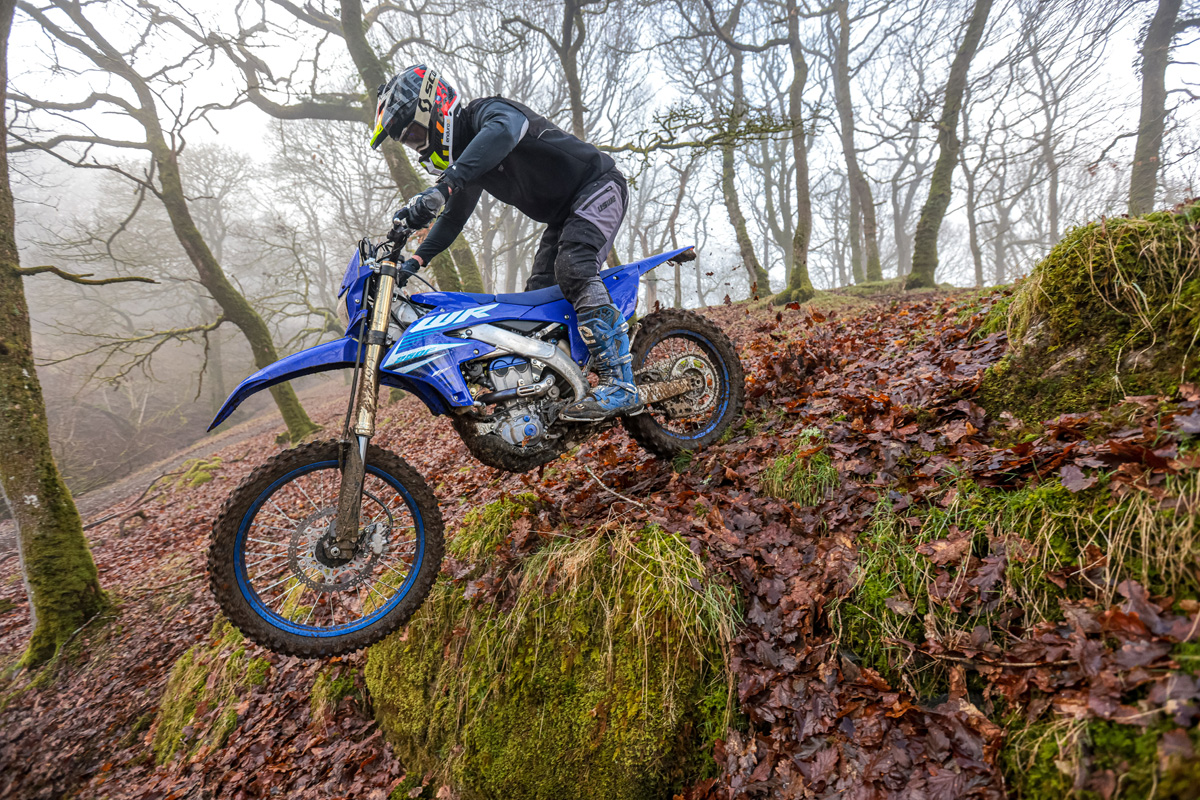
The 2025 Yamaha WR250F and WR450F are returning to the market after years away from the dealer… at least in Spain. The official dealership Motos Ausio is resuming sales with confirmed prices and the option to purchase with or without the homologation/MOT kit. The first units will arrive in just a few weeks.
Many have already given up on the WR in Europe but after a five-year absence due to homologation issues – with Yamaha focused on its motocross and adventure ranges – the WRs are returning to the Spanish market. From Vic (Barcelona), Motos Ausio has restarted sales of these enduro models, with the first deliveries expected in late February/early March.
A return that, frankly, should never have been happened. Because, even though they stopped being sold in much of Europe, the WRs never really disappeared: they've remained very much in the minds of many enduro riders who have always seen them as reliable, competitive bikes with a very strong racing DNA. And even more so, seeing how the YZ-F motocross bikes evolved year after year.
You might be interested in reading and enjoying our tests: In-depth test: Tested: 2025 Yamaha WR250F – agile, racy…the best WR250F yet? Or the video review of the 2025 Yamaha WR250F: 2025 Yamaha WR250F video test review
In fact, at Enduro21 we have never stopped following the evolution of the WR models, which are fully legal in other European markets such as Great Britain, where they continue to be sold. In other parts of Europe, including Spain, the range was limited to the WR125R, a model more geared towards off-road beginners and dual-sport use.
During this time, we‘ve been unable to access those WRs that fuelled the dreams of an entire generation, bikes associated with legendary names like Stéphane Peterhansel, Stefan Merriman, Johnny Aubert, and the last of all EnduroWorld Champions in blue, Loic Larrieu.
That doesn't mean they have dropped out of favour in other parts of the world and Australia remains notably a strong country for Yamaha off-road models. We‘ve witnessed the surge of Yamaha‘s four-strokes in the United States, where the blue machines continue to demonstrate their full potential in disciplines like US Hard Enduro, Sprint and the GNCC, thanks to Cody Webb, Liam Draper and the legendary Kailub Russell in his return to competition with the AM Pro Yamaha team.
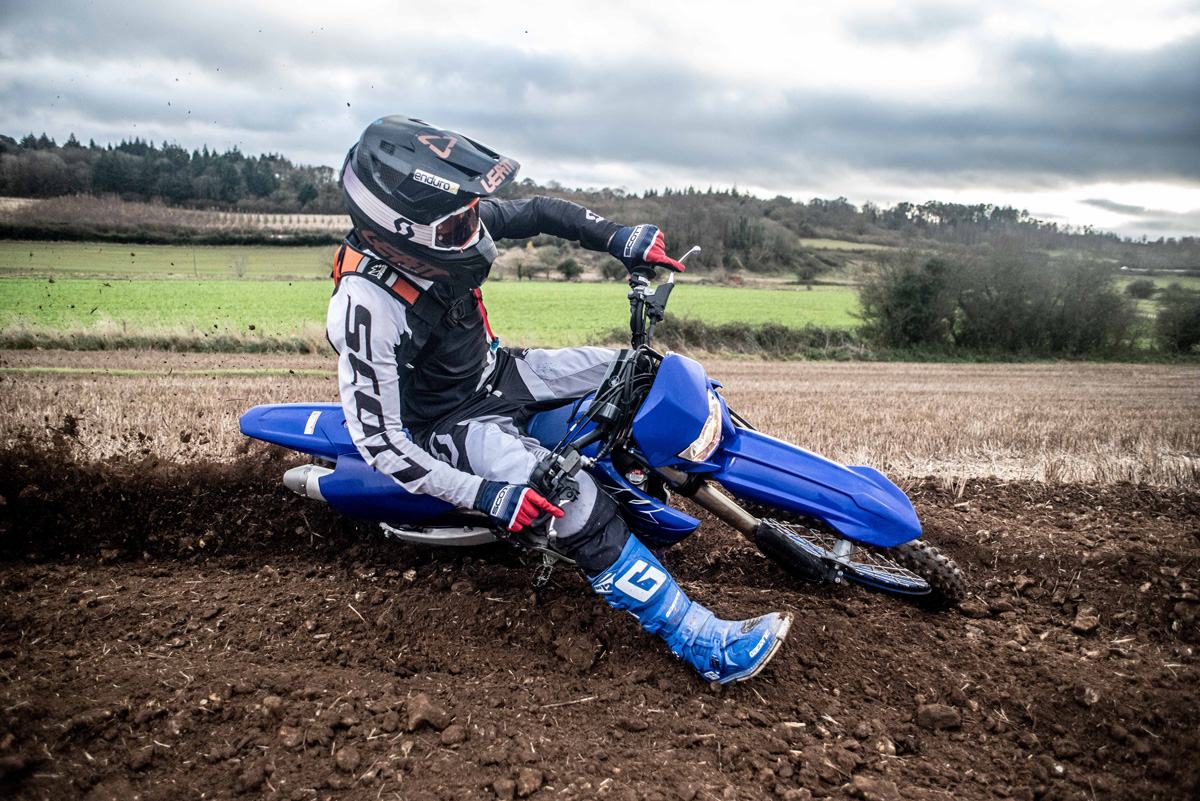
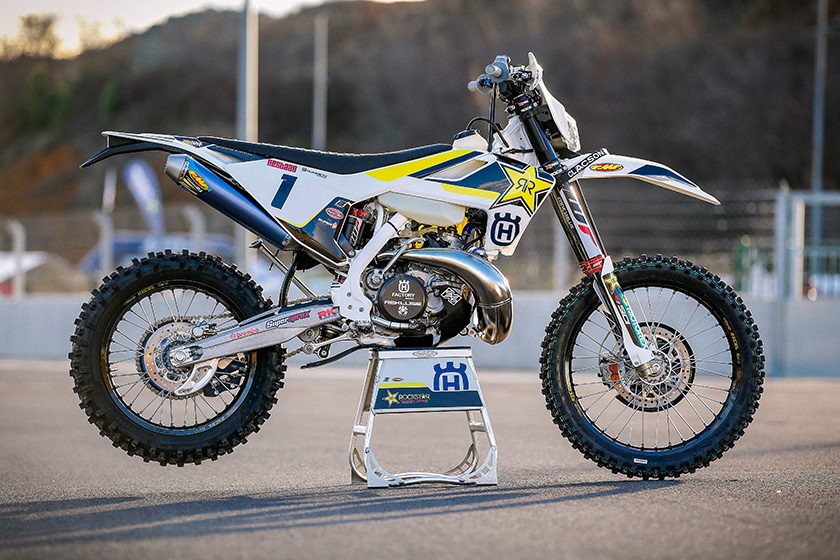
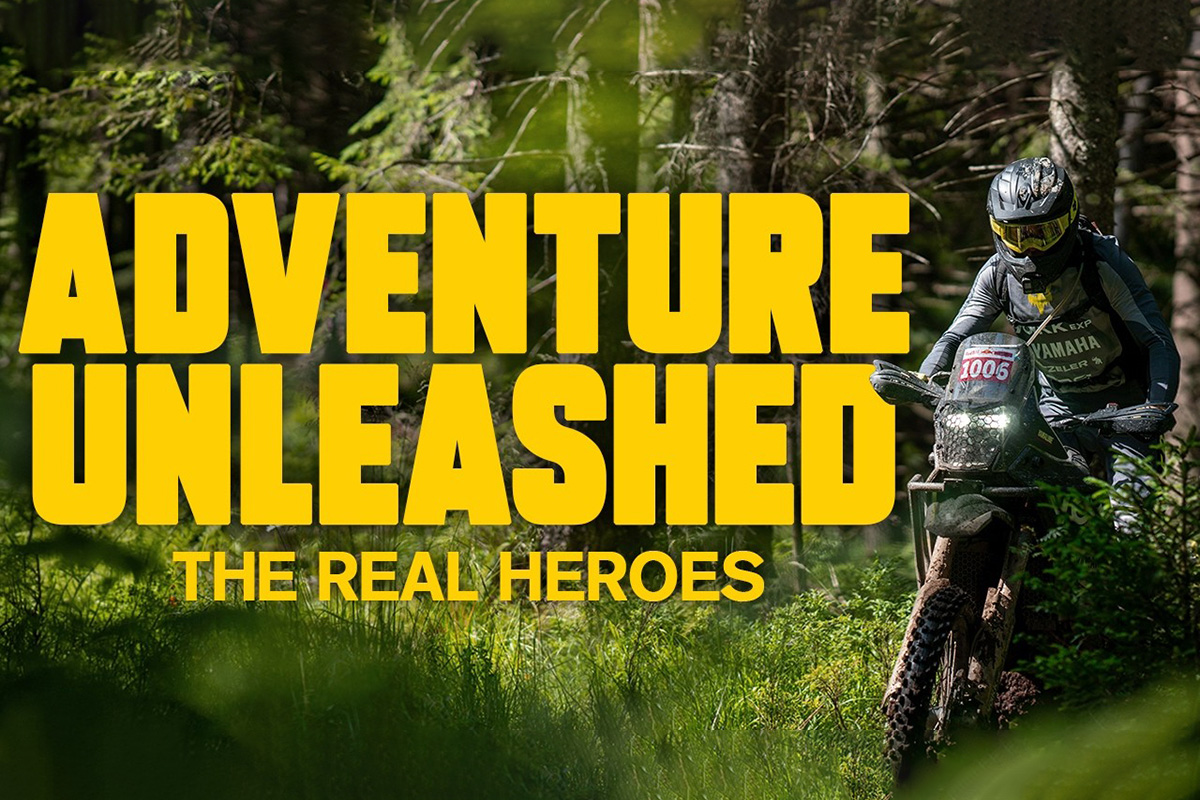
Two models with a clear racing focus, developed from the YZ motocross and XC bikes, but adapted for enduro use with specific chassis components, power delivery, and electronics.
Yamaha WR Prices with Homologation Kit
For those who want to ride legally on public roads and pass the MOT (Spanish vehicle inspection) without complications, these models are also available with the homologation kit included:
Yamaha WR250F: €11,412
Yamaha WR450F: €12,230
Yamaha WR Prices without Homologation Kit
For those looking for a purely competition-oriented motorcycle, Yamaha offers the WR models without the homologation kit:
Yamaha WR250F: €10,849
Yamaha WR450F: €11,667
The homologation kit is sold separately for €400 and includes everything necessary to comply with regulations and pass the MOT.
Why are they sold with and without the kit?
The answer is as simple as it is realistic: the first thing most people who buy a WR do is remove the kit. Turn signals, mirrors, and license plate holders are unnecessary when the goal is to compete or ride on tracks or private properties.
The advantage is that when it's time for the next MOT (ITV in Spain), you only need to go to Motos Ausio, and they'll take care of reinstalling the kit, managing the inspection, and, if you wish, removing it again to put the bike back in racing mode.
A practical system, designed for the enduro rider who loves WRs but doesn't want to compromise on having a legal motorcycle when required.
What does the homologation kit include?
The homologation kit includes a headlight, turn signals, light switch, horn, mirrors, catalytic converter, and all the elements required by current Spanish regulations to legally ride and pass the MOT (ITV in Spain) without complications.
It’s worth remembering: the first MOT (ITV) for a new motorcycle is due four years after registration, and from then on, the inspection is every two years. With this move, Yamaha is bringing back two of its most renowned enduro motorcycles, now with a real solution to the perennial homologation problem in Spain.
A smart move… And, for many, the return of a legacy that should never have ended.
More information: www.motosausio.com
Photo Credit: Yamaha + Vison Media | Tristan Young