


Tested: 2026 Yamaha WR125R Big Thinking Dual Sport Baby
Enduro21 tests the new 2026 Yamaha WR125R and finds a bike steeped in XT/DT/WR history which should be everyone’s first step on the dual-sport and off-road riding ladder.
You can Google Yamaha WR125R and read the AI answer at the top of the search results if you want. It’ll give you an idea of what this bike is about, on the face of it at least: The 2026 Yamaha WR125R is a learner-legal, Euro 5+ compliant dual-sport motorcycle featuring a 125cc liquid-cooled, 4-valve engine with Variable Valve Actuation (VVA). Priced around £4,500 ($3,999 in the U.S.), this agile, fuel-efficient machine offers 14-15 bhp and is designed for both on-road commuting and off-road trail riding.
To be honest, after spending a day riding it, the AI bots have summarised this bike pretty well. What else would you need to know, right?
Well, here’s what else. People will look at the figures, especially prices at £4,500, €4,700 in Europe and $3,999 in the US, and compare it to any number of cheaper Chinese bikes which roughly look the same – at least if you ask Google.
But AI bots can’t ride bikes, don’t have any emotional attachment to bikes or riding dirt bikes and definitely can’t tell you what it means to jump along a single-track forest trail, skipping off tree stumps and out of water bomb holes laughing in your helmet.
As someone whose first proper “big bike” was a DT125R (before the internet existed) – a bike broadly similar to the WR125R but with a tad more power and a two-stroke engine – it means a lot to find a bike like this still exists in the world.
Let us tell you the reasons (non-AI version!):
- This is a great bike to make your first steps on the dual-sport ladder and move onto either a bigger-capacity machine, adventure bike or enduro bike.
- It is a surprisingly capable trail bike with a willing and controllable chassis which builds confidence off-road.
- That means it is a great place to learn to ride off-road if you are starting from zero, including how to use the gears to your advantage, work on riding technique and get confident.
- It has Japanese build quality and that still matters.
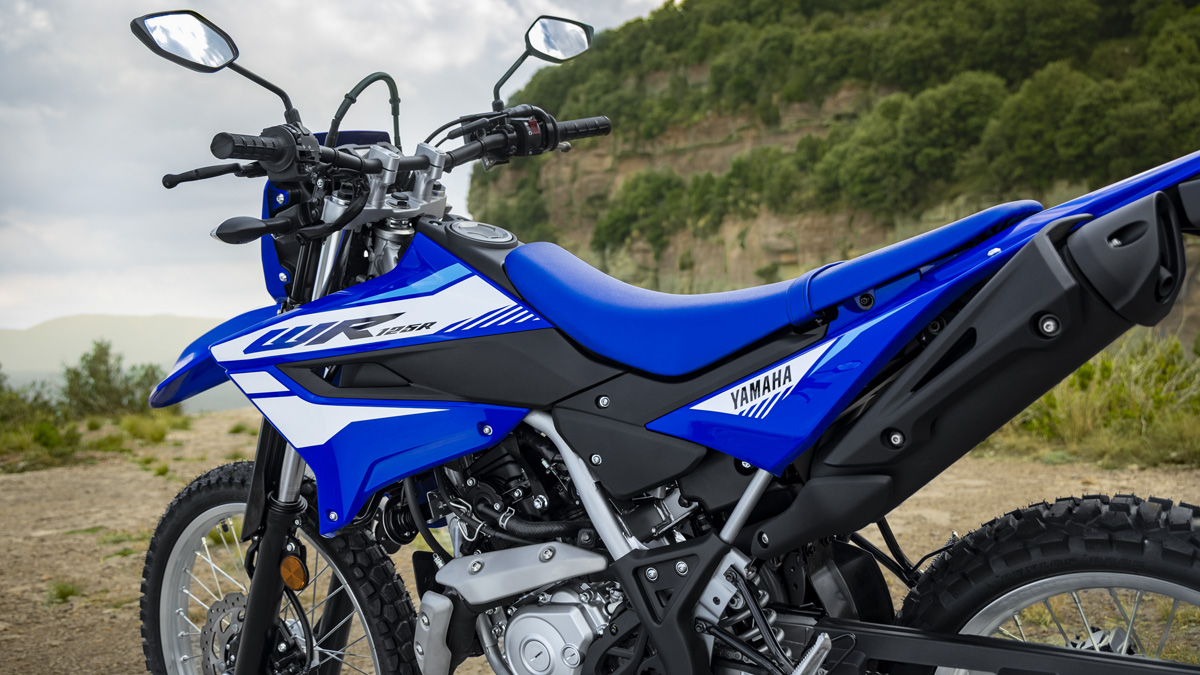
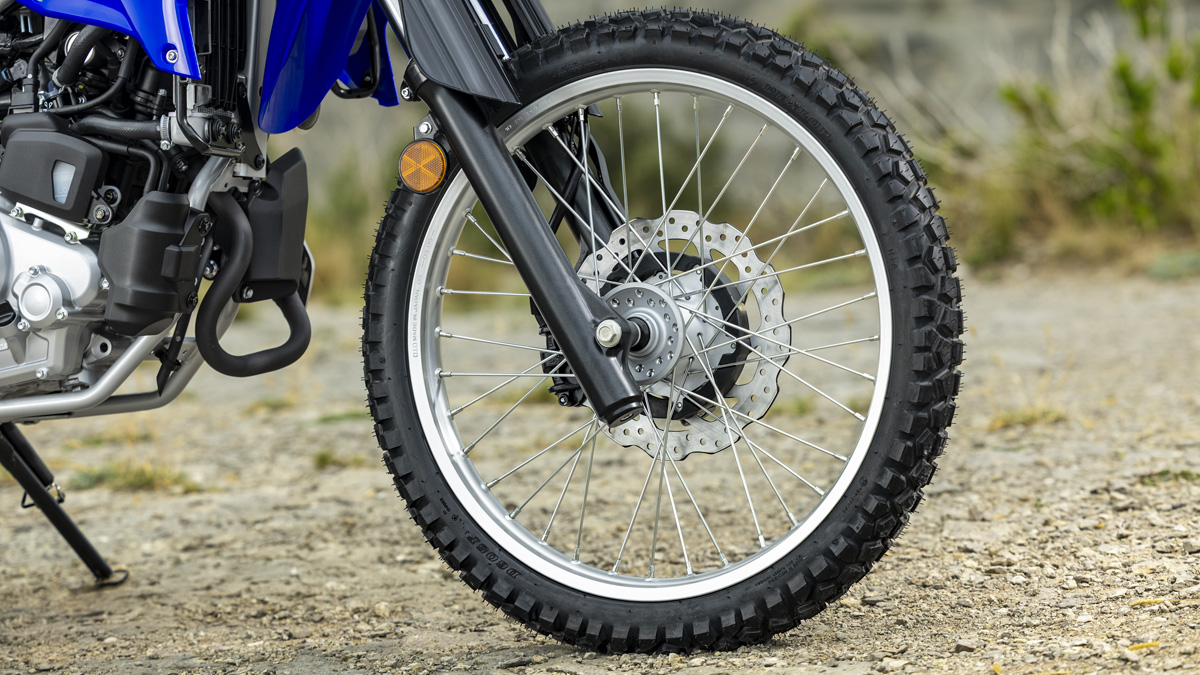
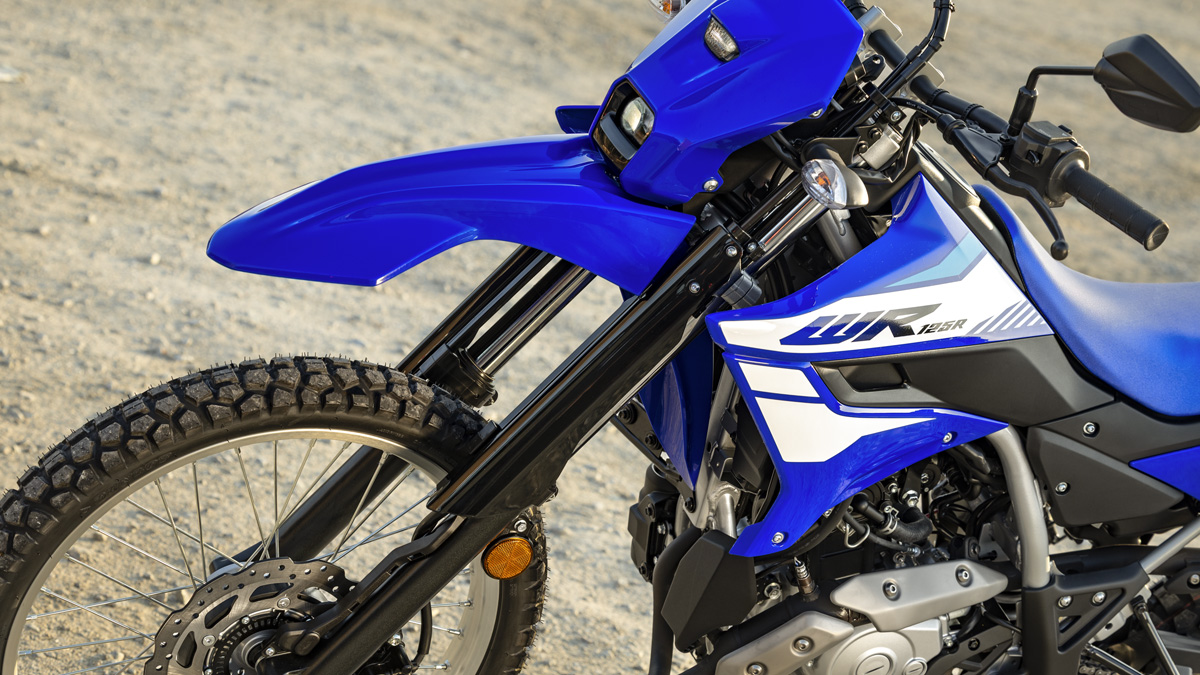
- 21-inch front and 18-inch rear wheel sizes give you a good range of tyre options on and off-road.
- It looks good and feels good to ride for anyone gaining a full licence.
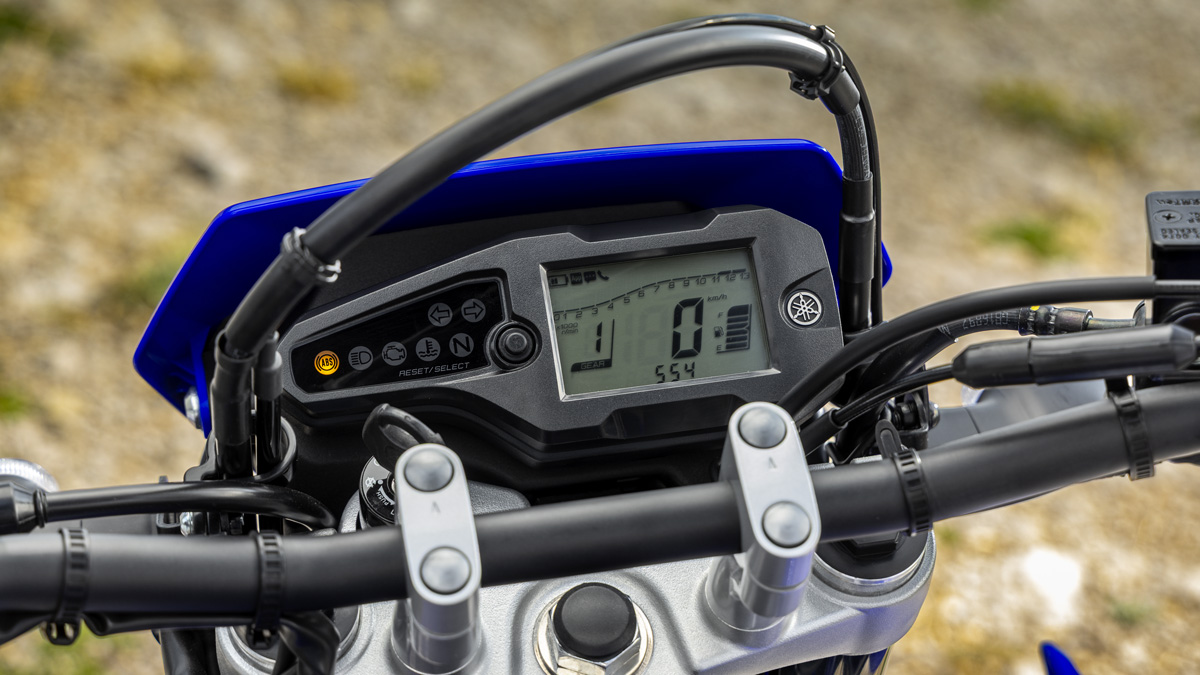
- Good feel and stopping power from the front ABS system, which works well off-road (front brake only).
- Comfortable riding position standing or sitting, 200-mile range.
- Lives up to the “dual sport” claim and, as such, opens up a world of possibilities to a new or young rider.
- Get a bike like this and you should quickly be asking, “where are we going riding next week?” and hopefully “what bike am I going to get next? An adventure bike? A trail bike?”
There you go, if you want, you can take that plus watch our YouTube video review of the 2026 Yamaha WR125R and make up your own mind. But if you want a bit more reasoning behind all the above, then keep reading.
What’s this bike about and who is it for?
Reviving the spot in the bikesphere the Yamaha DT125R used to occupy is an important point to level at the WR125R. The world has moved on considerably since that bike was removed from dealers approaching 20 years ago. The ’26 WR125R lives in a different space in terms of just how many learner bikes there are in the world. The list of low-capacity commuter, dual-sport and adventure bikes feels huge compared to back in the DT’s day.
But all of those bikes existing are precisely why you should look at the WR. It arrives with decades of Yamaha trail and dual-sport experience from models like the XT, DT and other WR machines. In a nutshell, those models have always been fun to ride, broadly capable on any terrain, ensuring you are sitting confidently and happily in any conditions, and importantly come with Yamaha and Japanese build quality. The 2026 WR125R lives up to that reputation and historical context.
Gateway bike to off-road and adventure
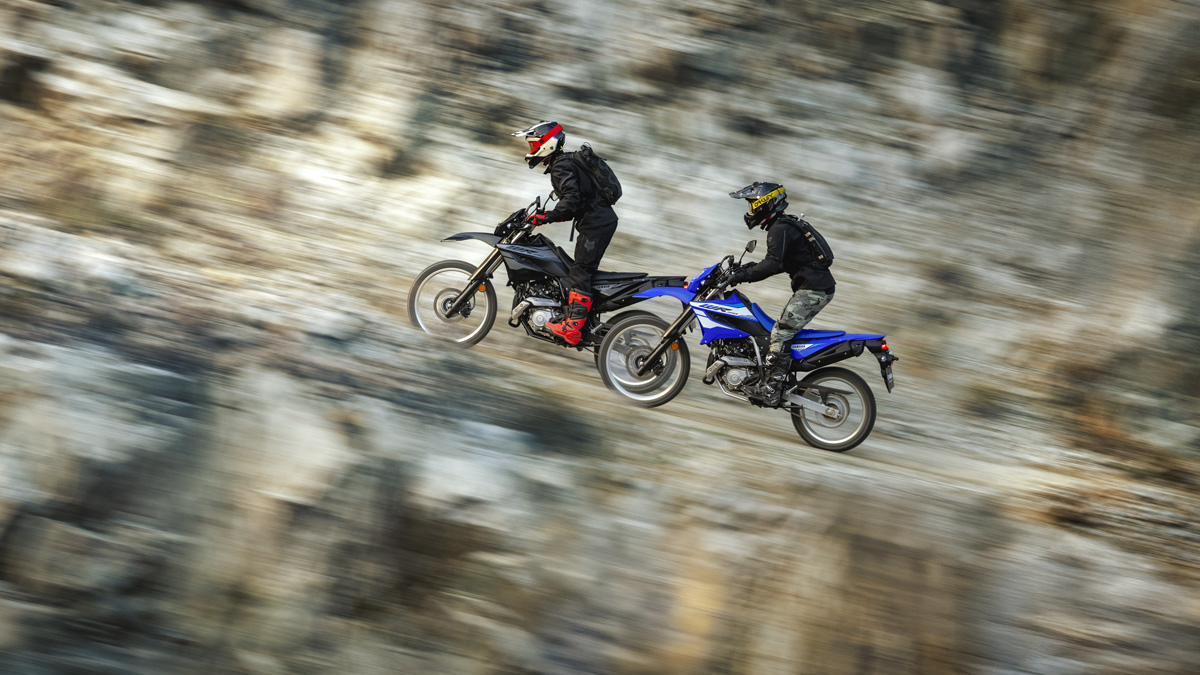
Yamaha will rightly say the WR125R is your gateway to other models in their range. Riding it will give you confidence and grounding in big bike skills – just like all good 125s should do – and that is true whether your next step is street, adventure or off-road bikes. The family tree fans out nicely from the WR125 in all directions whatever you do next.
It fills a gap again where the DT once was but also opens up a hole for Yamaha – what does come next? It’s a hole other manufacturers happily fill with 300cc dual-sport bikes like the Honda CRF300L, KTM 390 Adventure and Suzuki DR-Z for example.
If you’re reading this outside of Europe, you might have the XT250 as an option but that’s not available everywhere. The old WR250R (not the F enduro bike, take note) should still be an option but it’s been consigned to the history books, sadly.
Yamaha needs to bridge its own gap here with a new, more powerful bike in the middle so people can step up to a Tenere or competition WR model more easily.
Steeped in Yamaha history
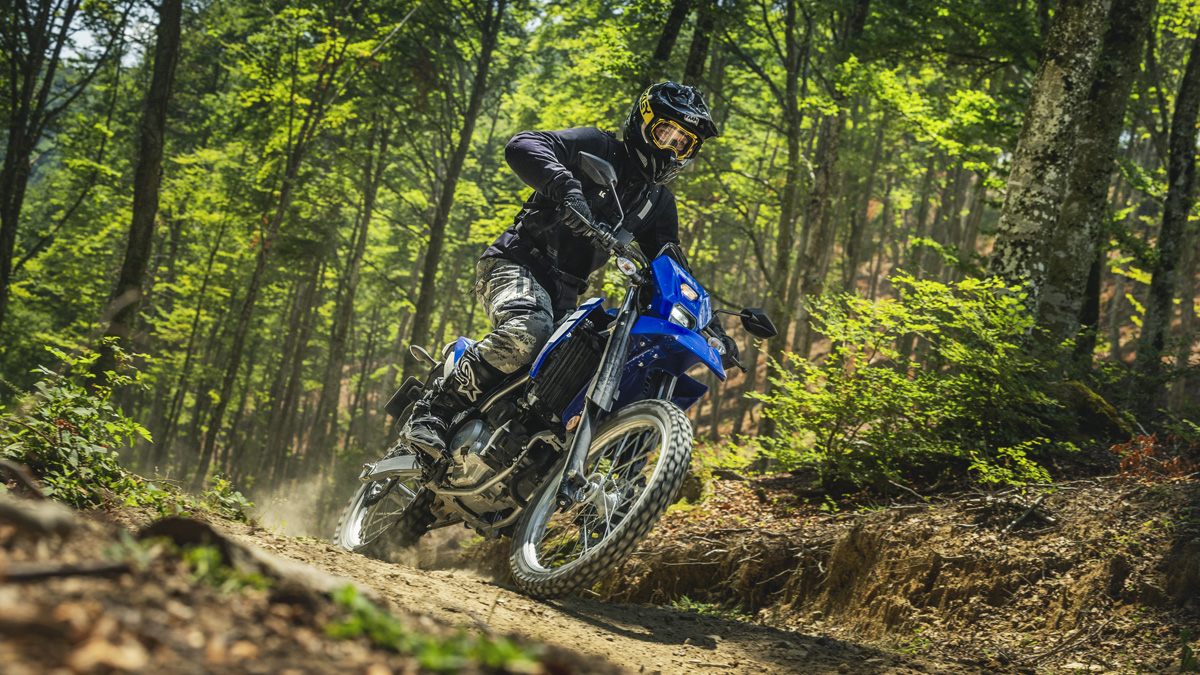
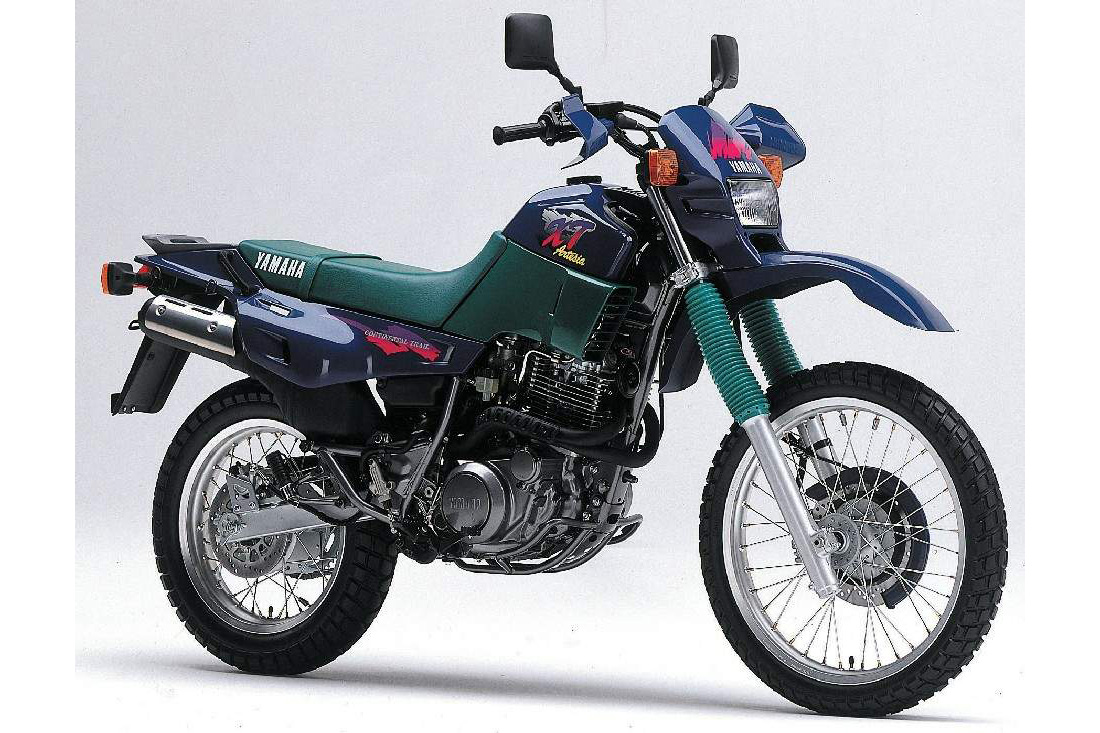
Dig a little into the world of Yamaha trail and dual-sport bikes and you will find DT, WR and XT models in various guises stretching back across decades. The reliably bulletproof TT-R models are there too, although not homologated for road use.
The history is undeniable but it can get a bit confusing, particularly as Yamaha swaps the model denominations like they have with this WR. The new WR125R is a four-stroke DT really, or a newer version of the XTZ125 which was available in Japan not so long ago and can be viewed as a precursor to this new model.
The nub of it is Yamaha has occupied this capable, not too racy, trail or dual-sport smaller-capacity space for decades and we can definitely call them experts in the field.
But they need to get on the case with a 300 four-stroke, maybe a mini Tenere before they miss this boat.
What’s it like to ride?
Dual sport is the key phrase here and, as such, we have to admit, armed with that knowledge before the test, it was something of a surprise how much we enjoyed the ride, on the trail or on the road.
We trust this engine will be bulletproof but it will not blow your socks off with its power. Yamaha doesn’t pretend the WR125R can do anything more than get you up to around 55mph/85kph happily but not necessarily rapidly.
Less power means working the gearbox to get the best from it, and it’s true to say the baby WR needed more gearchanges around these trails in Wales at the Yamaha Adventure Experience base than we have ever needed on any bike (probably since we tested one of the last DT125Rs somewhere in the early 2000s).
On anything above medium steepness hillclimb, you will find yourself working down the gears to keep momentum but that’s to be expected from a 14/15hp single like this. Side note: maybe slightly lower gearing at the expense of top speed might help here if you were to focus more on trail riding than street.
Useful ABS brakes off-road
Call us cynics but we were expecting crappy ABS brakes on the WR, like you often get from a manufacturer when they add it to a lower-priced machine like this. Often it means technology from years ago repurposed to cut costs.
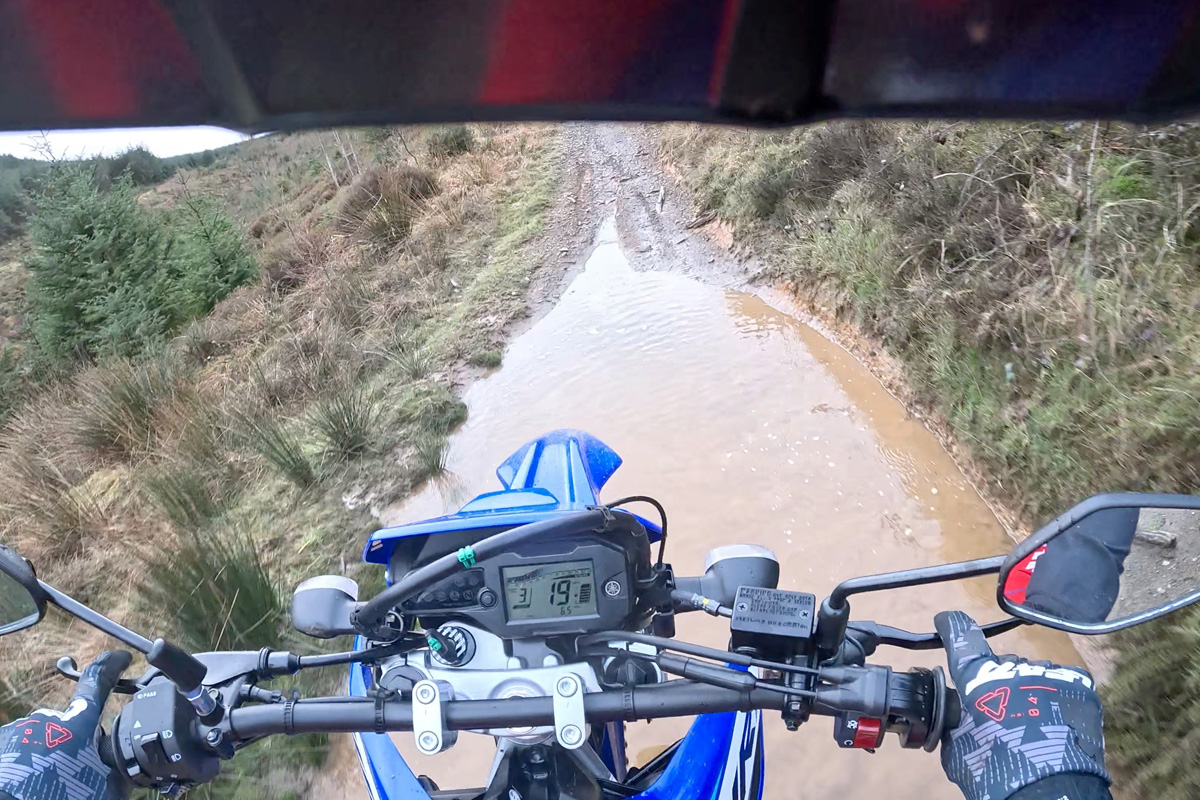
In reality this ABS is really good and works because you can trust it. If you brake hard on loose dirt it controls the lock-up and still hauls you to a stop. The feel is there too to the point where on a steep downhill covered in loose rocks it genuinely was a useful thing to rely on. For any standard of rider that is a good thing.
Chassis helps enjoy the trail
Everything is kind of right about the WR125R’s chassis too and, despite its lower power output and soft engine character, it was easy to enjoy the ride.
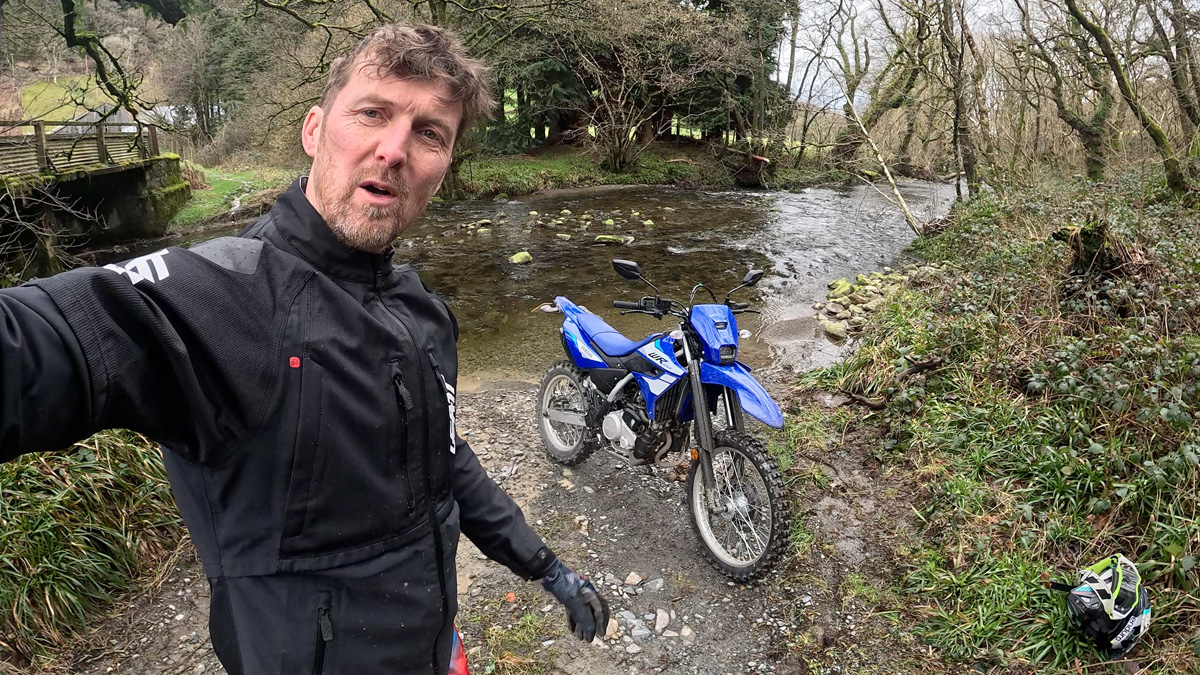
It took us about 10 minutes riding a bumpy narrow, rutted in places, forest trail to need to stop and say to someone, anyone, “this bike is much better than I expected”.
A trail littered with water bomb holes, little jumps off random exposed branches from long-fallen trees and popping over sawn-off tree stumps is the kind where you really need a responsive bike under you and the WR delivers.
The riding position is good for standing riding with a balance and controllability to place the wheels where you want. Sit down and treat it more like a competition enduro bike and it is willing, and ultimately the chassis and suspension are a match for its speed.
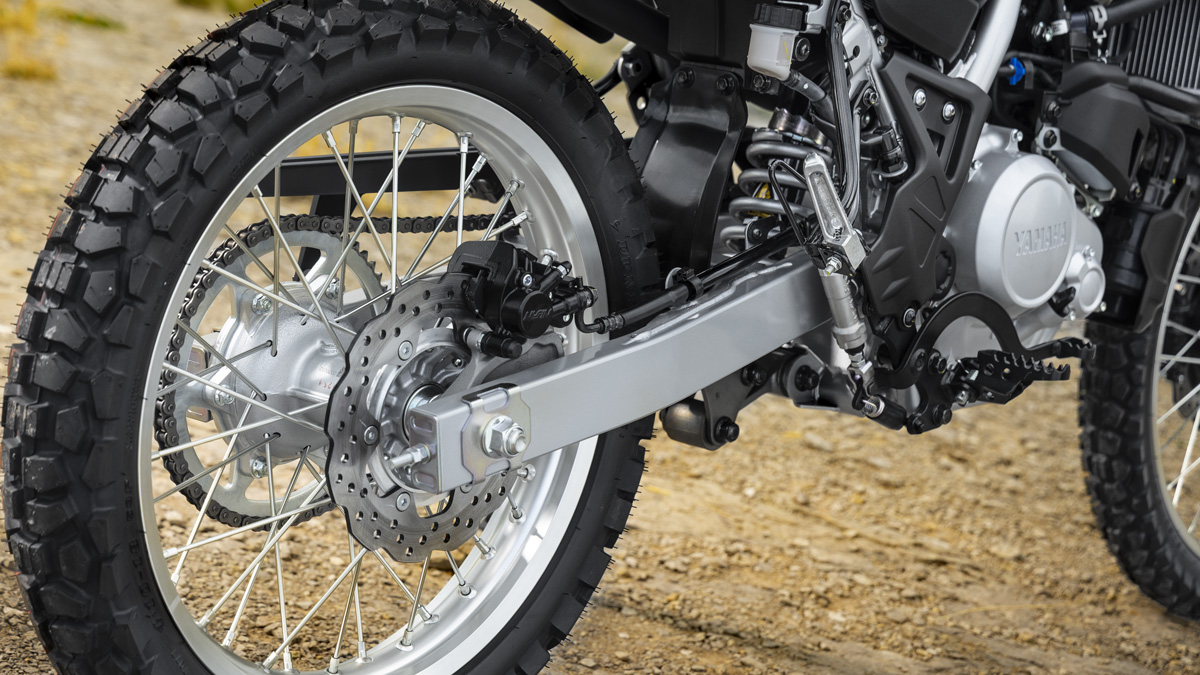
That’s important for a bike aiming at less experienced riders where confidence can be won and lost depending on bike feel and feedback. If it handled badly it could easily put people off.
The only criticism is some fatter footpegs would help a lot because the stock ones are probably the same fitted to an XT in 1983. We’d also try and fit some different handlebars if you were riding off-road as much as we did on this test.
Side note: our test bike had Dunlop AT91 enduro tyres fitted which went a long way to helping that confidence on the bike from the get-go. The WR125R comes with Dunlop D605 dual-sport tyres as standard.
Enduro21 verdict
Bike riding skills, on and off-road, grounding and confidence will come in abundance if the WR125R is your first dual-sport bike. We were happy to find it occupies a space where a DT125R once did for this tester and that bike proved an invaluable step in the rest of his riding life.
The WR125R is not a bike you will likely keep for years, but it should be there at the start. Maybe keep it long enough while they bring out a Tenere T3 using that 321cc engine from the R3.
Bikes like the WR125R keep coming out of Japan not because someone with a tuning fork logo on their overalls has a passion for docile, single-cylinder, broadly capable trail bikes but because the world needs bikes like this, whether they are called a WR, a DT or an XT.
Where we tested
Our test was at the Yamaha Off Road Experience centre in the heart of Wales. It’s somewhere you can ride the WR Enduro models, Tenere Adventure bikes and learn from experienced riders whatever your level. One of the beauties of YORE is the place they have to ride, and it has something for all levels, but the mix of forest trails, gnarly single track and rural road riding we did offered a great test of the WR’s ability.
More information: www.yamaha-offroad-experience.co.uk
2026 Yamaha WR125R key features & specification:
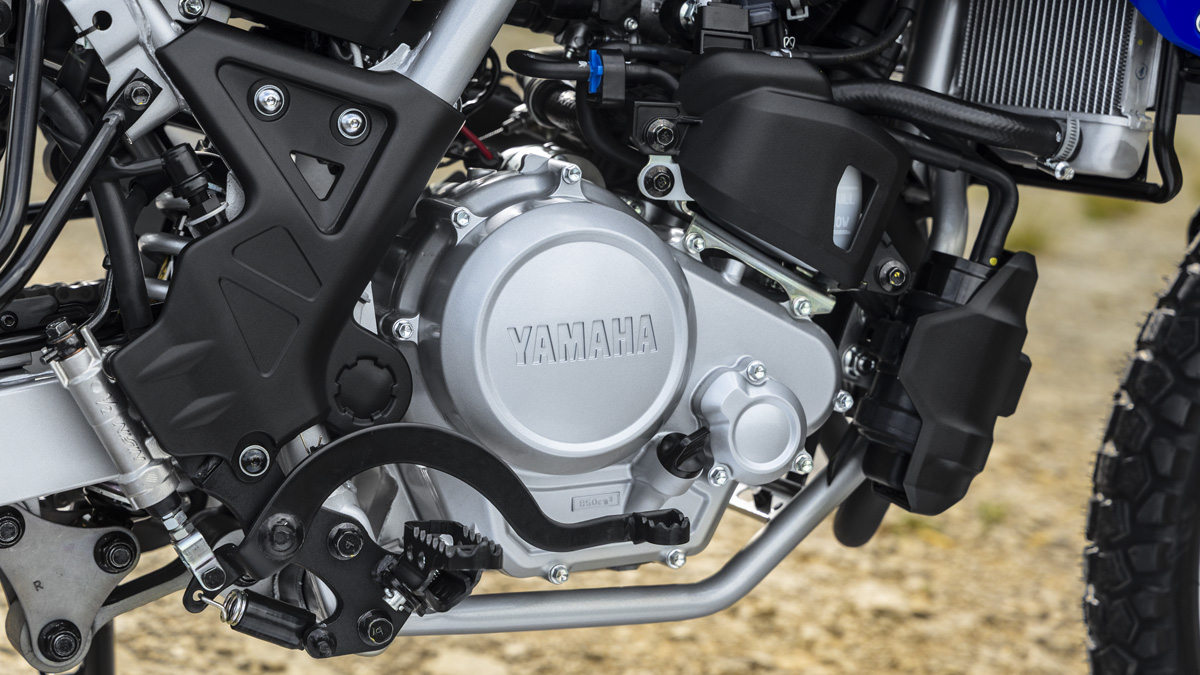
Torquey 125cc liquid-cooled, SOHC, 4-valve, single-cylinder engine
Variable Valve Actuation (VVA), fuel injected engine
Claimed fuel efficiency of nearly 200-mile range.
Semi-double cradle frame
Upright 41mm KYB front fork with 215mm/8.5-inches of travel
Gas-filled monocross KYB rear shock with 185mm/7.3-inches of travel
Front and rear disc brakes with front brake ABS
21-inch front wheel and 18-inch rear wheel
Versatile Dunlop D605 dual sport tyres
Slim, compact ergonomics and roomy upright seating position, flat motocross-style seat
Compact multi-function LCD instrument panel with smartphone connectivity via Yamaha Y-Connect
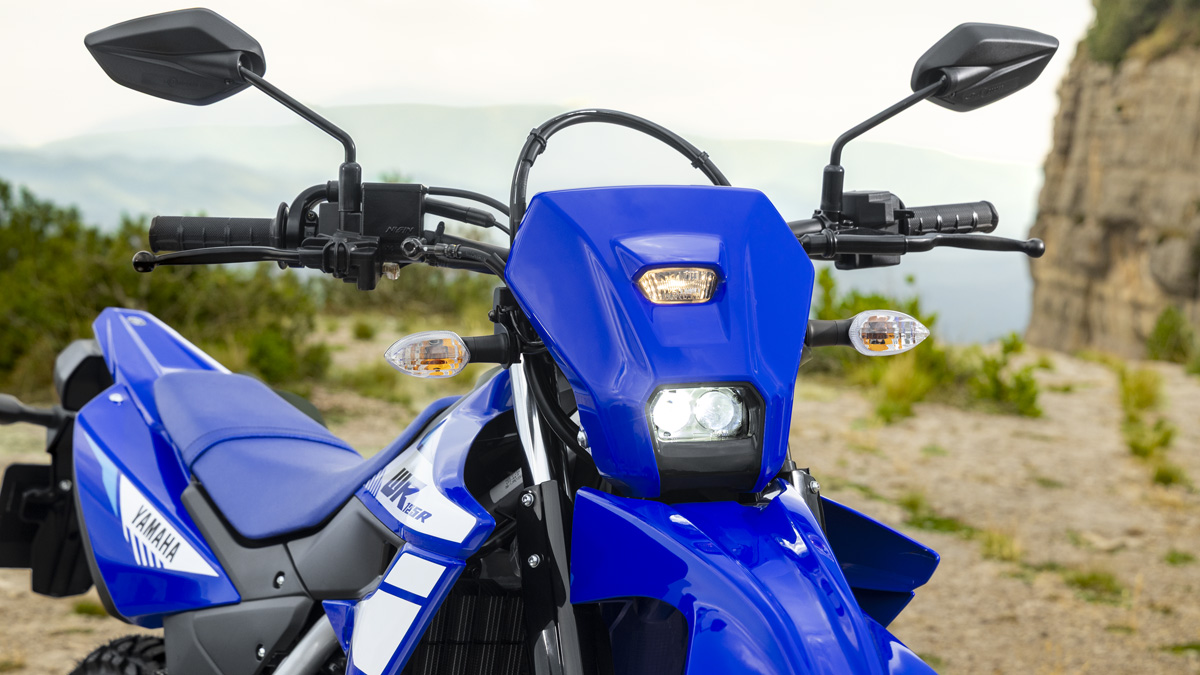
Front fairing housing distinctive split twin-lens LED headlights
Styling inspired by Yamaha's competition YZ and WR models
More information: www.yamaha-motor.eu + www.yamaha-motor.com