


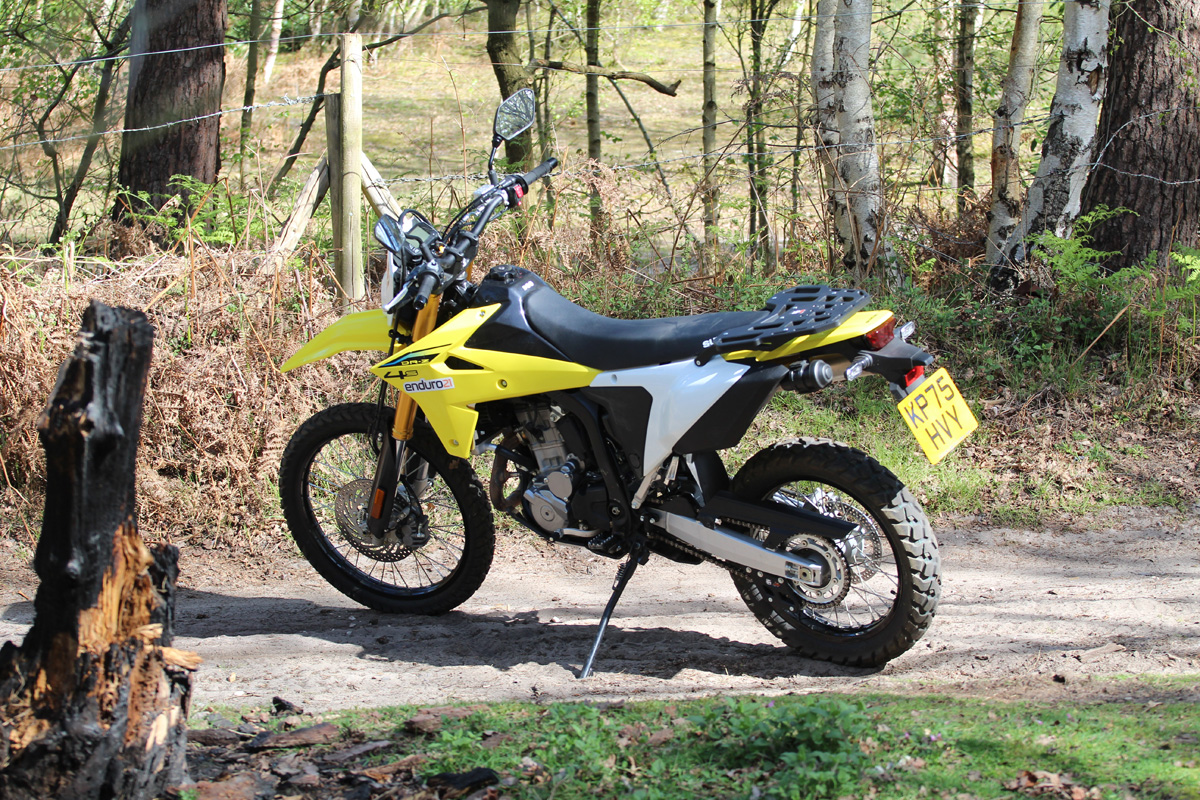
Tested: Suzuki DR-Z4S – Ticking the old-school trail bike boxes
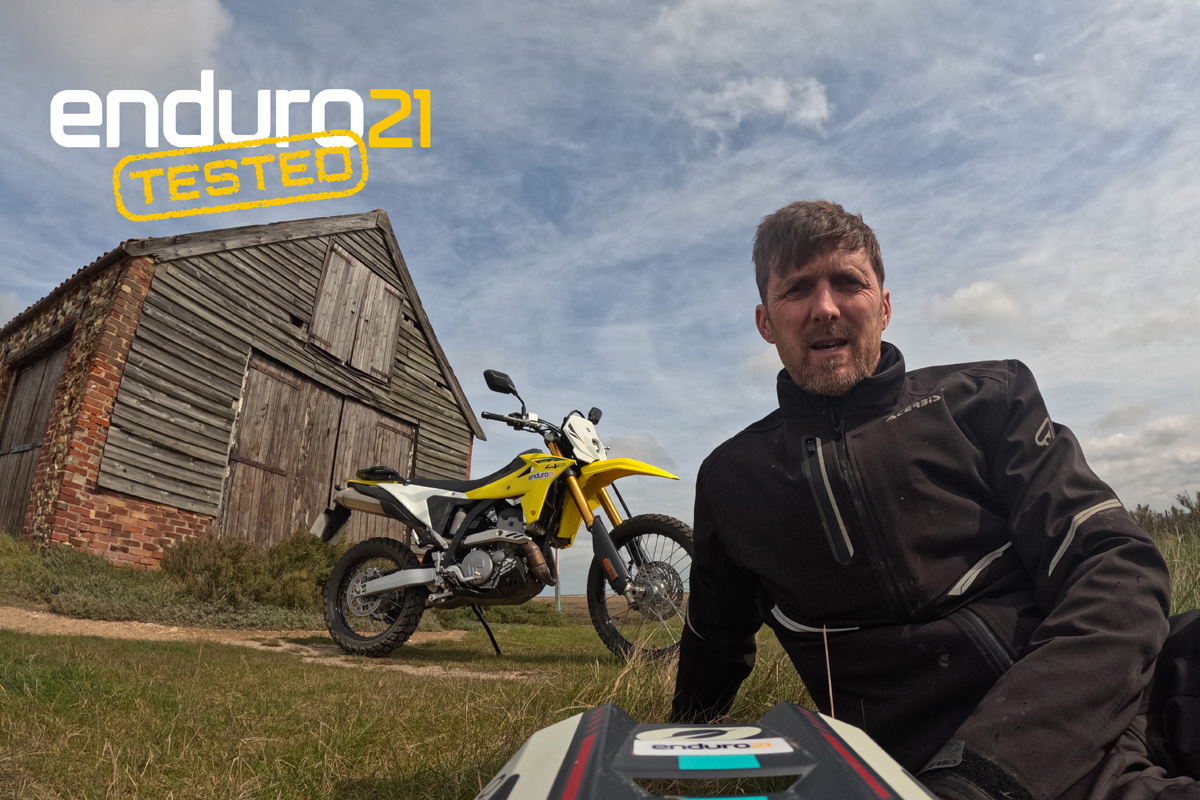
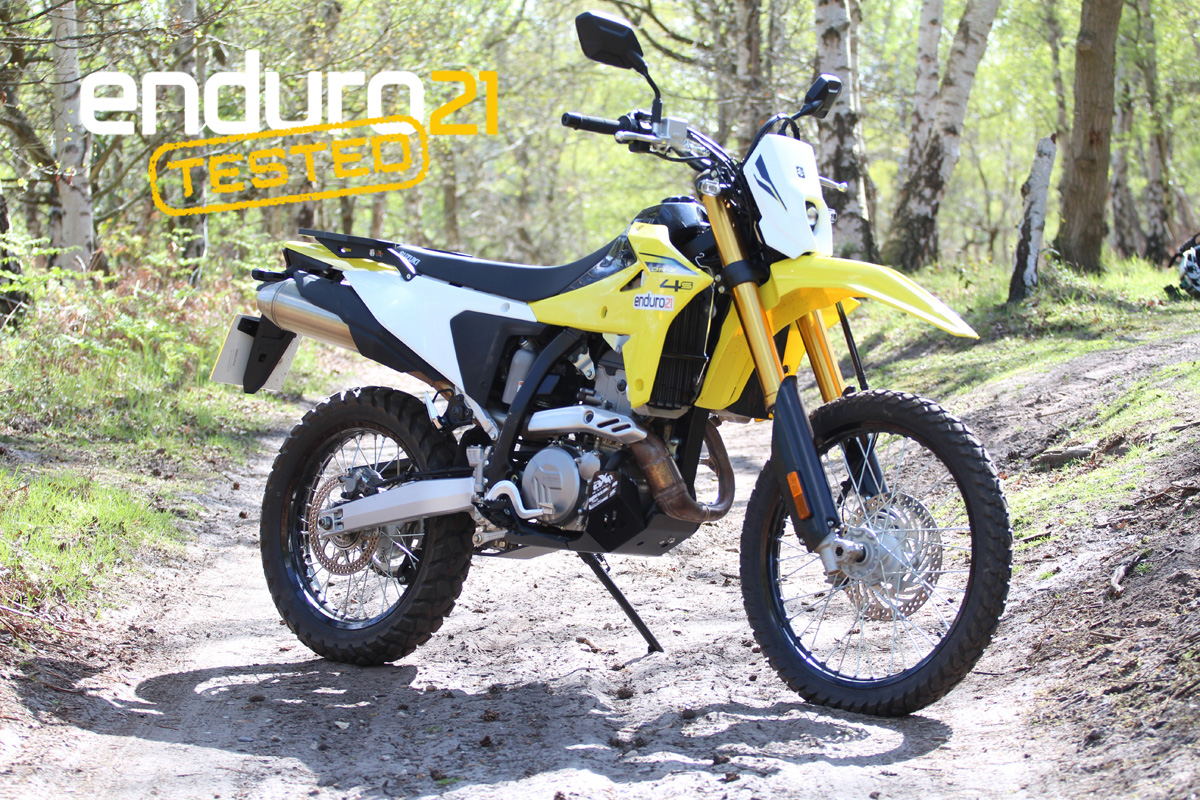
Enduro21 finally gets to throw a leg over the 2026 Suzuki DR-Z4S and find out if the old-school trail bike skills carry through to this new generation, lightweight dual-sport dirt bike.
Long ago we just called them dirt bikes, or by their names if you wanted to be specific: Yamaha XT, Honda XL and XR, Kawasaki KLR and Suzuki DRs. As these versatile machines stretched their wings into rally or evolved into enduro bikes, capacities became more diverse, fuel tanks got bigger, and eventually adventure bikes became a thing.
Dual-sport was already a term, but the category has come to define bikes with proper off-road wheel and tyre sizes (21-inch front and 18-inch rear ideally), long-travel suspension, a single-cylinder, bulletproof four-stroke engine, and generally all-round skills to be the most capable and least specialised of anything on two wheels.
A dual-sport bike can race in the desert, take you along the Silk Road, ride a hare and hound, and just as happily fetch a pint of milk.
So Suzuki, can this 2026 DR do all that? Can it live up not just to the reputation of every DR that came before, but every dual-sport and trail bike that came before?
BTW, we did a video review of this test on our YouTube channel: Video test review of the 2026 Suzuki DR-Z 4S Dual Sport
A damn good idea
It’s a tall order, but we reckoned without even turning a wheel that the new incarnation of the DR-Z can handle it. Enduro21 has championed the rebirth (and had to wait far too long to test one) because we needed it in the world. It was a damn good idea from the Japanese manufacturer to bring this bike back to life.
In a world where trail bikes were lost, adventure bikes blew up (literally), and dual-sport bikes were limited to just a few regions (admittedly big ones like America and Australia), a hole had opened up in the motorcycle market.
It’s a hole being filled by a container ship full of imports from forward-thinking Chinese manufacturers, as well as the trend for low-capacity adventure models like KTM’s 390 Enduro R and Adventure models.
People want Japanese quality, small-capacity bikes like this—machines which are easy to live with, have long service intervals, low maintenance, are bulletproof and easy to ride. Single-cylinder trail bikes like the Honda CRF450L and the KTM 690 Enduro R, which we’ve already tested and reviewed (not yet the 390, that is coming asap):
https://enduro21.com/en/bikes/latest/tested-2019-honda-crf450l
https://enduro21.com/en/bikes/latest/tested-ktm-690-enduro-r
The world needs trail bikes
Box ticked before we even turned a wheel for the DR-Z4S—thank you for being here. Box tick number two comes from how easy this bike is to live with: get on it, nip to the shops, or pick a kid up from school.
No fuss, no heavy weight carried high—it’s on the same scale as an enduro bike when it comes to pushing it around, loading it into a van or onto a trailer. No diploma needed to operate it, just a genuinely user-friendly motorcycle.
So old-school it even has a seat strap
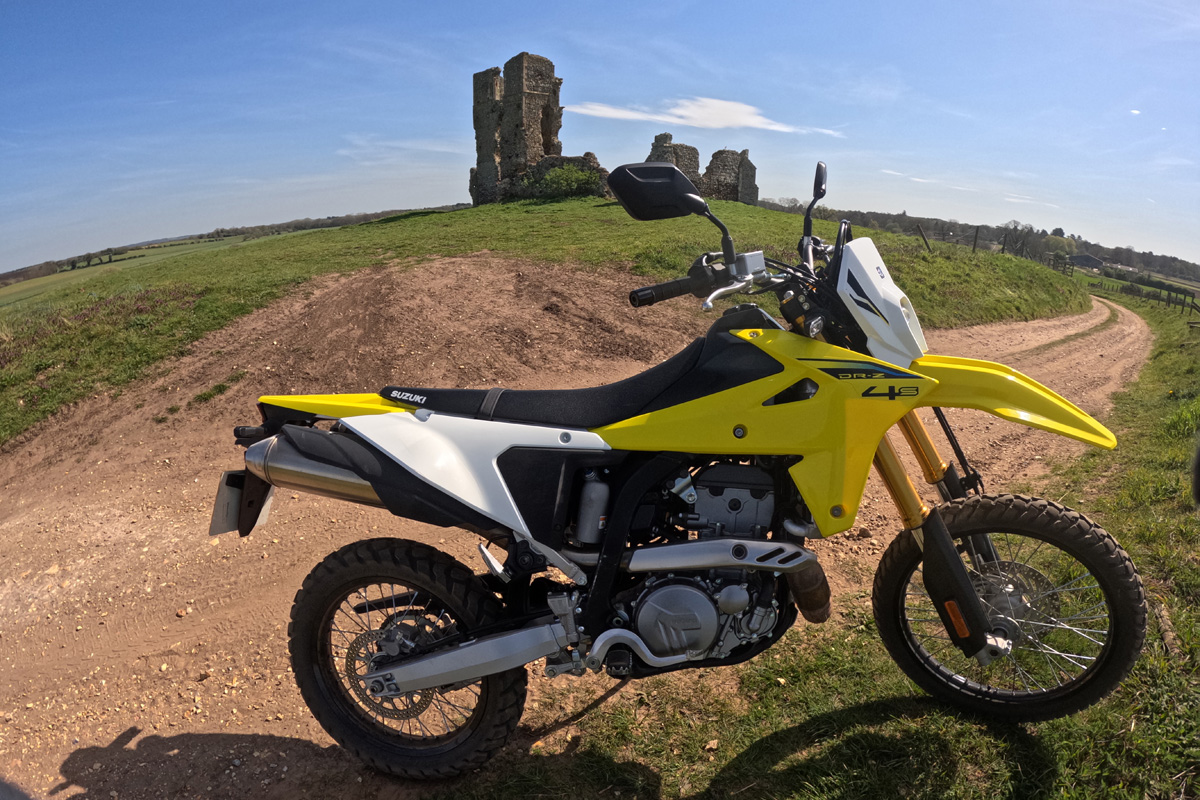
In a way we’re happy to see the DR-Z4S has a grab strap in the middle of the seat, but there’s a reason these disappeared: they’re pretty useless.
It’s a minor detail, but it struck us early in our time testing this bike. The strap is too far forward and only really usable if you’re lifting the rear of the bike—and even then, you’d better be strong.
Another throwback is the variety of bolts and tools needed to work on it. The two long bolts required to remove the strap before accessing under the seat are a good example.
Most enduro bikes now use the same or just a couple of bolt sizes across all panels, but while fitting some AXP Racing parts (list below), we quickly found ourselves digging for multiple tools like it was the old days.
And who uses a 24mm axle nut? It’s not a big deal, but none of the trail tools we own (used across decades of riding) include one. That meant carrying a ratchet and 24mm socket in the backpack on our trail rides just to be able to remove the wheels if we’d got a puncture.
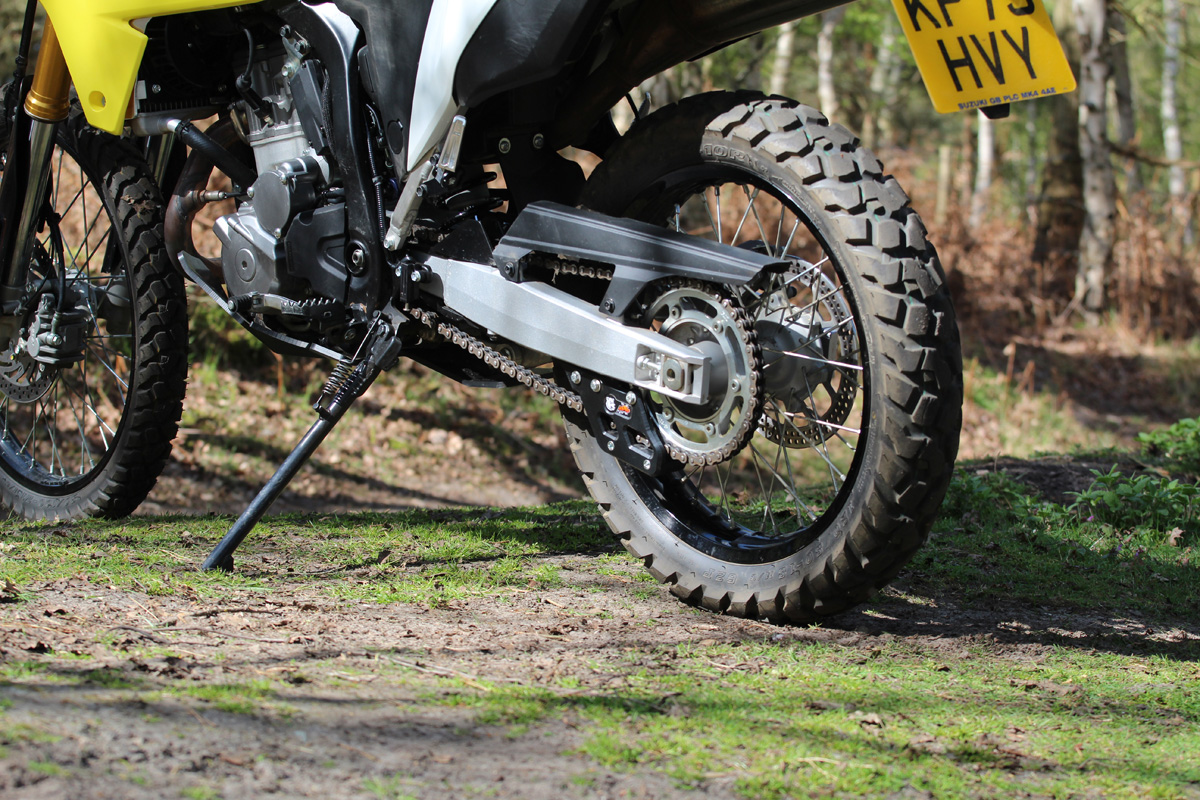
Shout it from the rooftops: a trail bike is better than an adventure bike
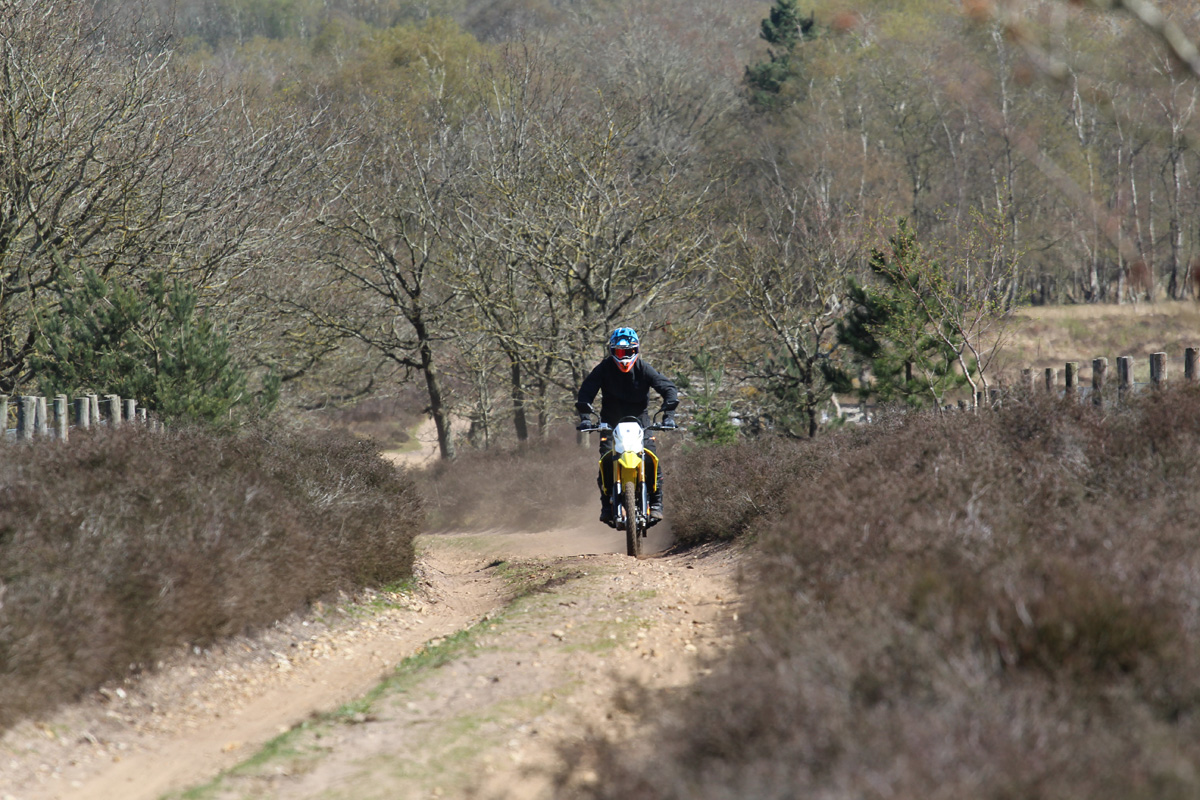
The big question: is it any good on the trail? The answer becomes immediately obvious as we get out there on the trails.
The Suzuki DR-Z hits all the nails on the head we hoped it would by simply being competent and confident off-road.
Our test route is notorious for sudden bomb holes, one or two feet deep, which quickly catch out the complacent. You can be riding along in fourth gear, suddenly see one and need to slam on the anchors to avoid a g-out. Or the other option is going for broke, opening the gas and trying to lift the front wheel over, hoping the back sorts itself out.
On an adventure bike these can be a nightmare, bottoming out the suspension, collapsing the rear and pinging it back up again as you fight to control the bounce.
Not so on the DR-Z, and that shouts from the rooftops why a trail bike is better than an adventure bike—it’s smaller, lighter, more agile and more controllable.
Partly it’s down to the KYB suspension too which, while not race-spec by any means, is well damped and offers a useful range of adjustment.
Although the standard setting leans towards comfort, the damping is good and a standout feature of the DR-Z is its ability to soak up bumps and deal with rough ground as we ticked off the miles standing on the pegs.
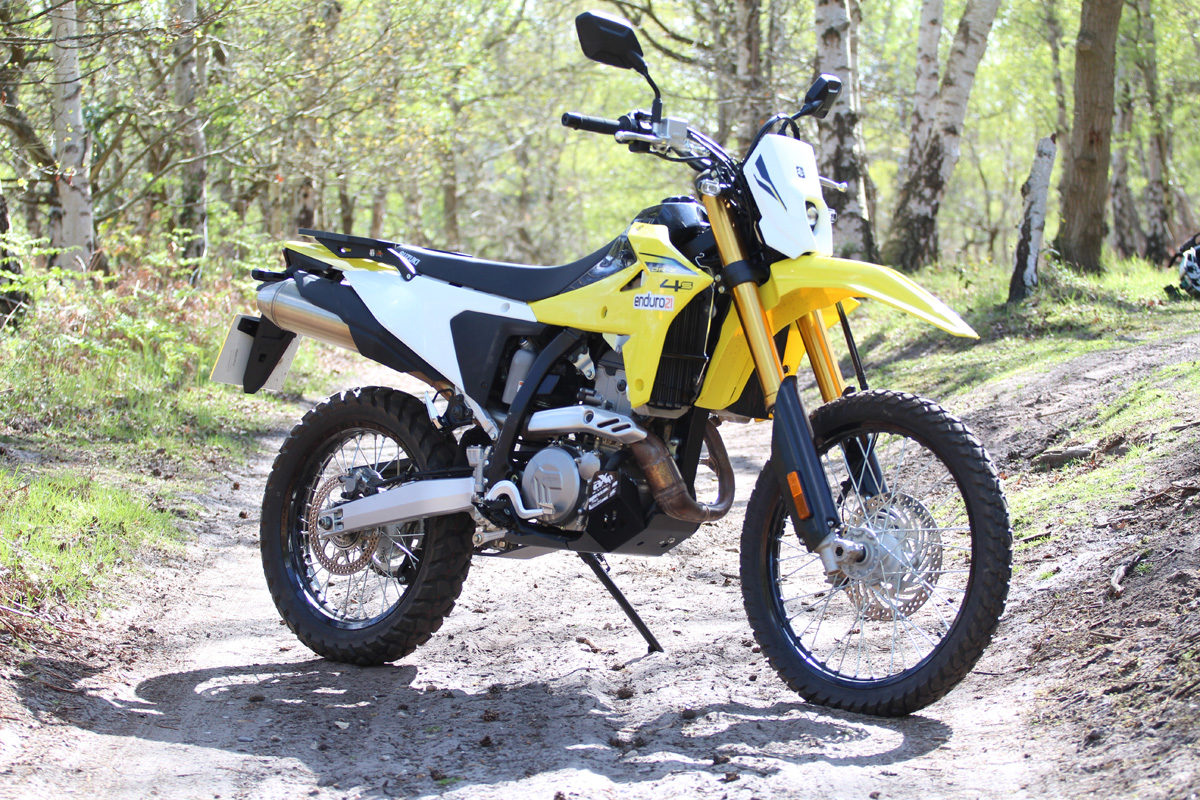
Ssshhh
One huge bonus of a relatively softly tuned, single-cylinder trail bike is the ability to purr along and offend no one.
Our test routes included some popular trails with walkers and horse riders, but we quickly learned this is a bike people accept, not reject.
Turning the engine off when we came across horses and generally just floating by with minimal sound is a huge part of trail riding if we want to keep the trails open.
Ideally we’d fit a lighter, less restrictive exhaust system to the DR-Z and maybe dive inside the airbox to see what extra life we could breathe into this seemingly restricted motor. But we’re also more than happy with it purring along quietly as it does.
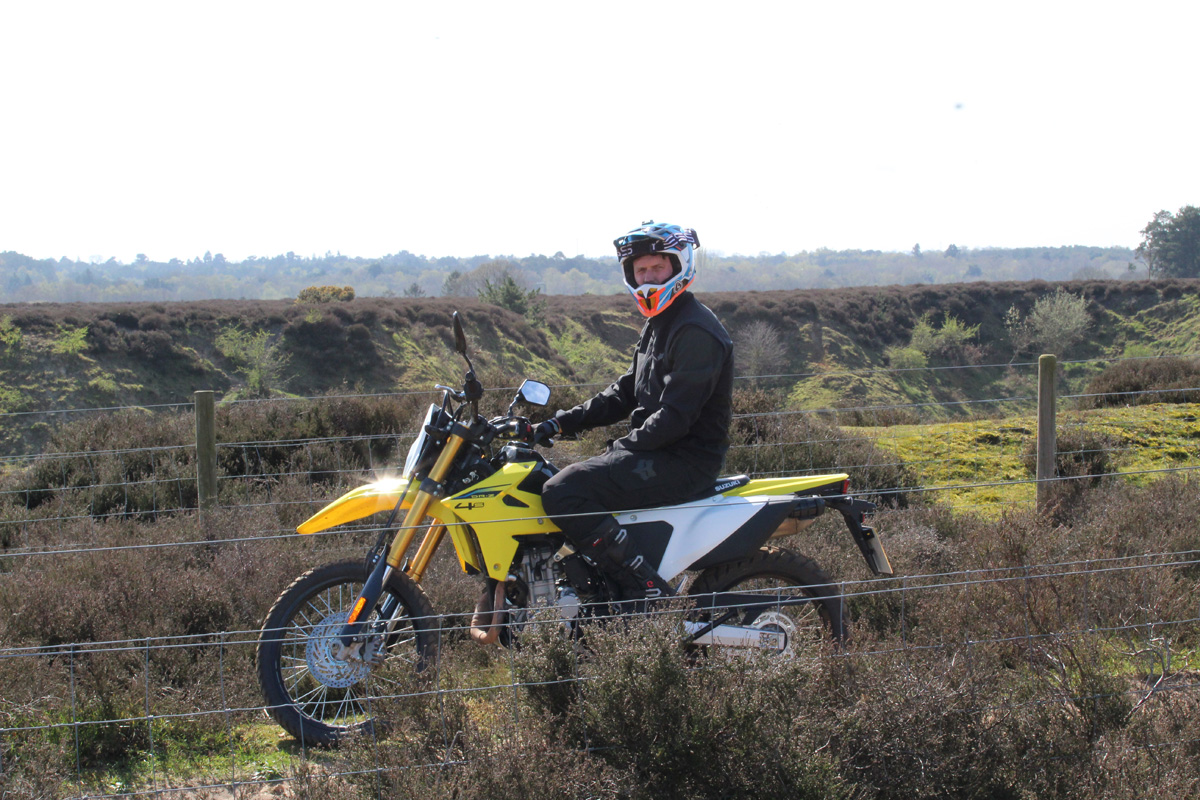
Sharp enough tool for the job
The size, the linear power—sharp enough to pop a wheelie over a washout—good brakes and a light clutch all mean you’ll find the DR-Z a willing bike if you try to up your game and ride faster or more technical terrain.
It’s not an enduro bike in terms of weight and power, but with a good bars-to-pegs-to-seat relationship—that triangle of space within which we live and ride—it is very capable.
We’d prefer some better (wider) footpegs, maybe slightly further back, and we also removed the rubber inserts for better grip off-road.
Overall, the transition from sitting to standing and the ability to move your body up the seat for front-end grip in corners, or back for rear traction, helps you ride with intent.
The only real limitation comes from the tyres. The stock IRC dual-sport tyres are good and work well on the road, but don’t offer much edge grip when you start to lean the DR-Z over in the dirt. We’d change them for more knobbly set if you’re doing a higher ratio of dirt versus street riding.
For the record, ground clearance is a useful 300mm (11.8in) and seat height is 920mm (36.2in), although the rear sag is quite soft as standard, so the bike drops noticeably once you’re on it (test rider weight 82kg).
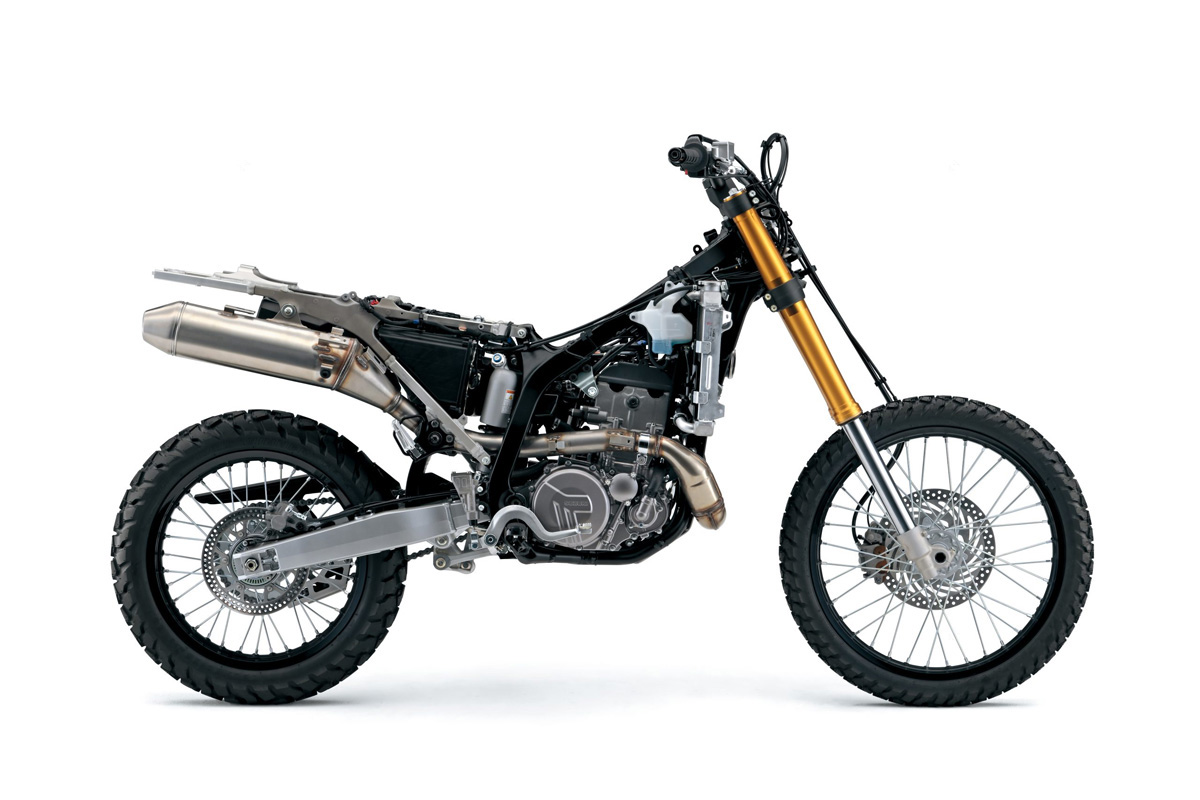
Fuel range? No problem
We expected an issue with tank range on the DR-Z. The 8.7-litre tank is not the biggest, even compared to enduro bikes, and there are some grumbles about it.
But here’s the thing: a smaller tank between your legs, and the manoeuvrability it brings, outweighs having 200 miles between stops.
A bigger tank adds weight high up, and one of the real pleasures of the DR-Z—like any good trail bike—is how close it feels to a competition bike in the way it handles.
The truth is we got around 150 miles from a tank riding roughly 80/20% trails and road. That’s close to five hours riding, which is honestly plenty.
Finding yourself between gears
We’re going to pick up on another common complaint—the five-speed gearbox—but not for the reasons most people expect.
At 50–60mph the DR-Z4S is comfortable on the road. It cruises happily in top gear without excessive revs and is more than capable for what most riders will ask of it. If that’s not enough, you probably need a different bike.
So in that sense, five gears is fine. But where it falls short is on the trail. Six gears don’t just give you a longer cruising ratio—they give you more usable spacing. That’s where the DR-Z suffers.
Too often you find yourself between gears, either revving too much or labouring too low. A six-speed box would significantly improve the bike in technical riding and give you better access to the power across the gear range. A more useful second and third would make life easier, while more practical fourth and fifth gears would be handy on the trail.
No manual, just press and play
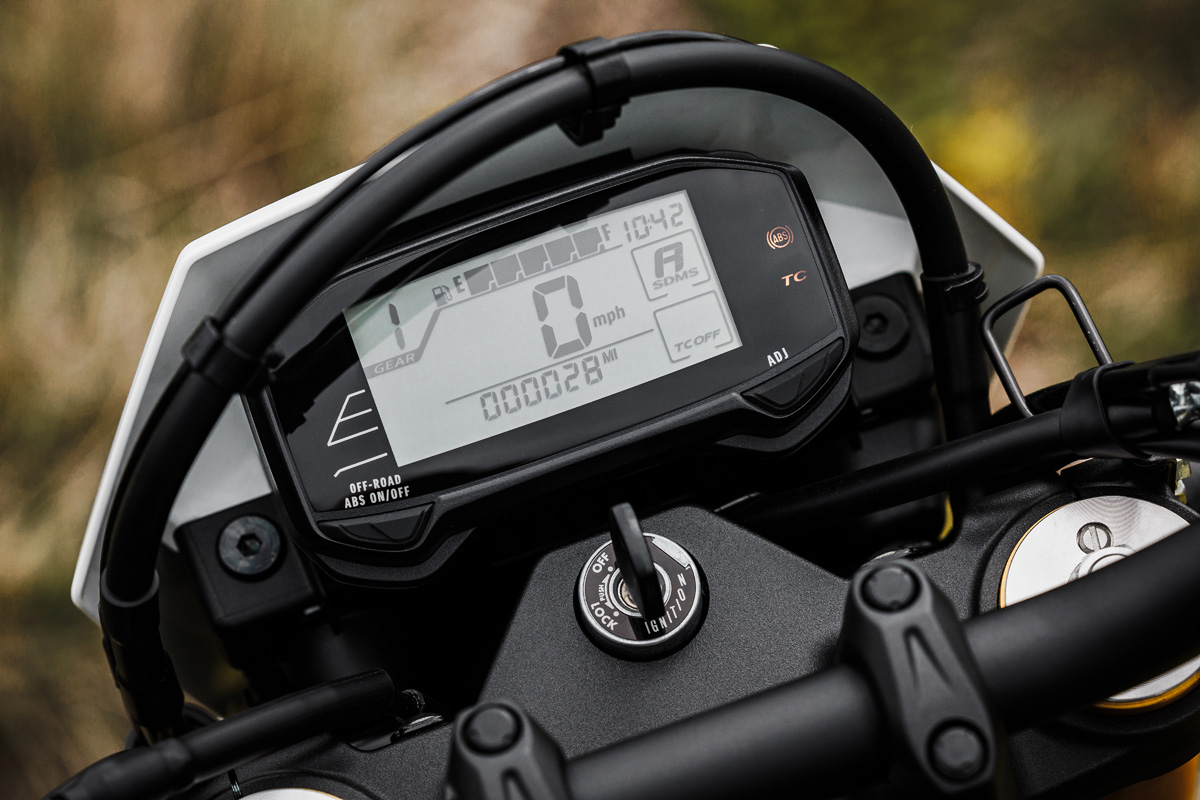
We didn’t get a manual with the test bike, so there was some trial and error with the handlebar controls and LCD dashboard.
It’s easy enough to use though and mostly adjustable on the move, switching between rider modes and traction settings. Suzuki’s Drive Mode Selector (SDMS) offers three modes with the same peak power: A being the most lively and C the flattest.
The other modes are usable, but A gives the best response when you want to lift the front wheel or react quickly. The 398cc, single-cylinder, twin-spark, liquid-cooled DOHC engine delivers smooth, linear power in all modes, so we didn’t feel much need for softer settings.
The DR-Z also has traction control, including a gravel mode, and ABS which can be switched off—although it takes a moment to figure out. One press disables the rear, but you need to press and hold to switch off the front as well.
Why does it need turning off? Because we don’t trust stock ABS off-road, and in this case it actually increases stopping distances on dirt.
You don’t need ABS and traction control anyway
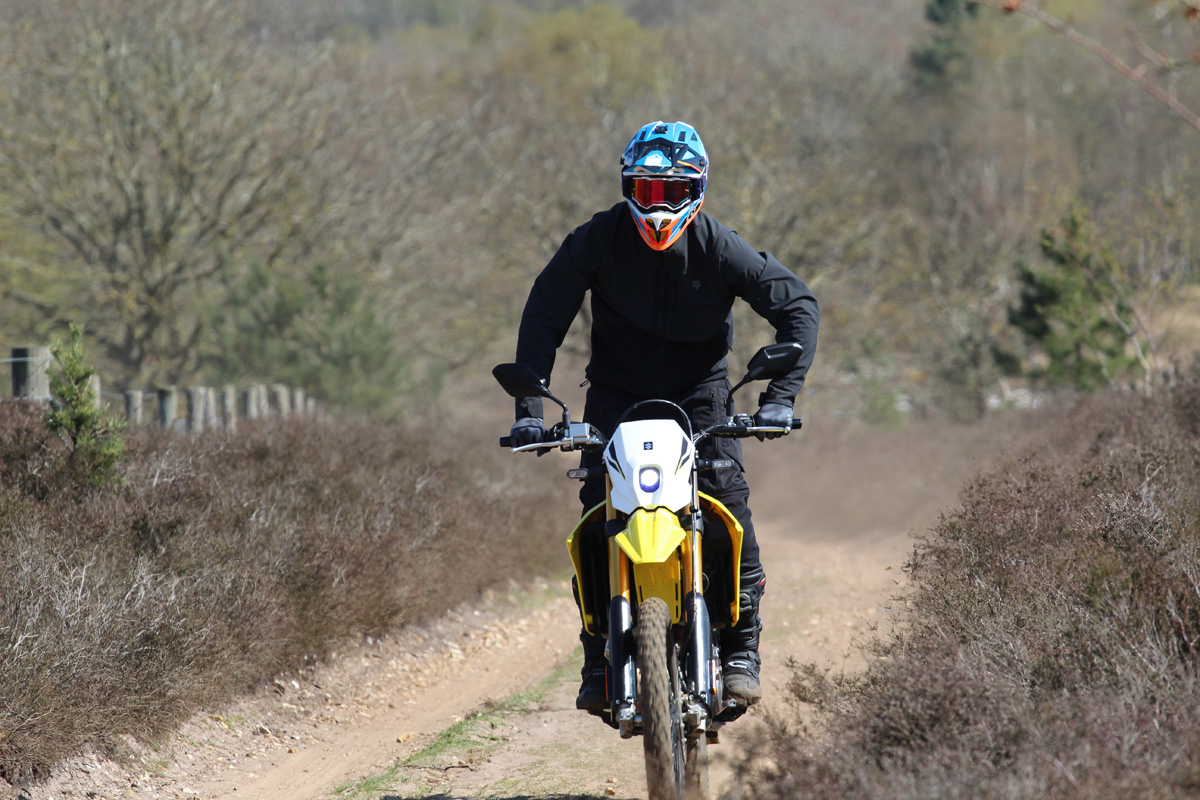
The thing is, the DR-Z4S has such a good chassis and feel from the Nissin brakes, along with strong suspension control, that you don’t really need electronic intervention. We understand the regulations and why manufacturers need to fit this stuf, but this bike highlights how unnecessary it is.
By nature, a trail bike like this is intuitive, forgiving and confidence-inspiring. It’s easy to ride and very capable off-road—so much so you’d have to be seriously clumsy to lose the front under braking on the road.
We don’t spend much time trail riding purely for the sake of it at Enduro21. We test bikes constantly, mostly enduro machines, and trail riding often happens in groups or on media launches.
But the DR-Z4S gave us something different: a reason to just go for a ride from our own front door.
And that’s probably the biggest compliment we can give it. Welcome back Suzuki. Long live the trail bike.
AXP parts fitted
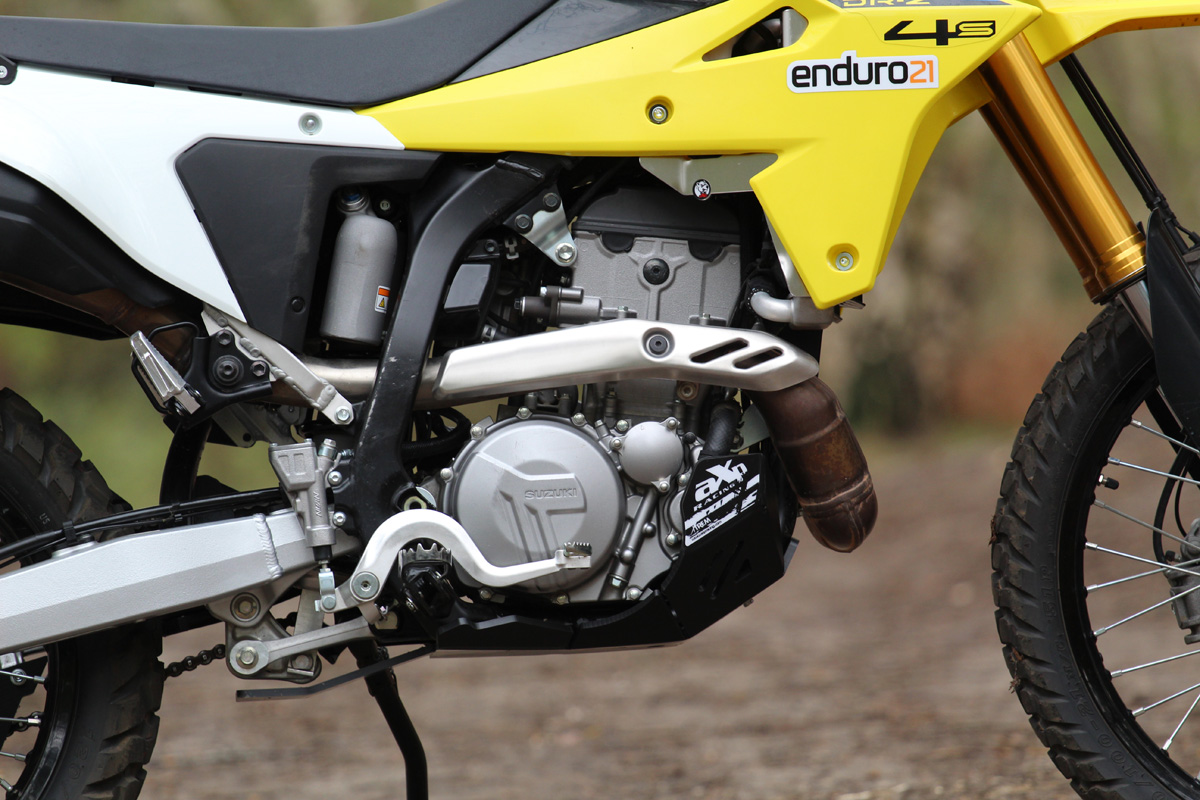
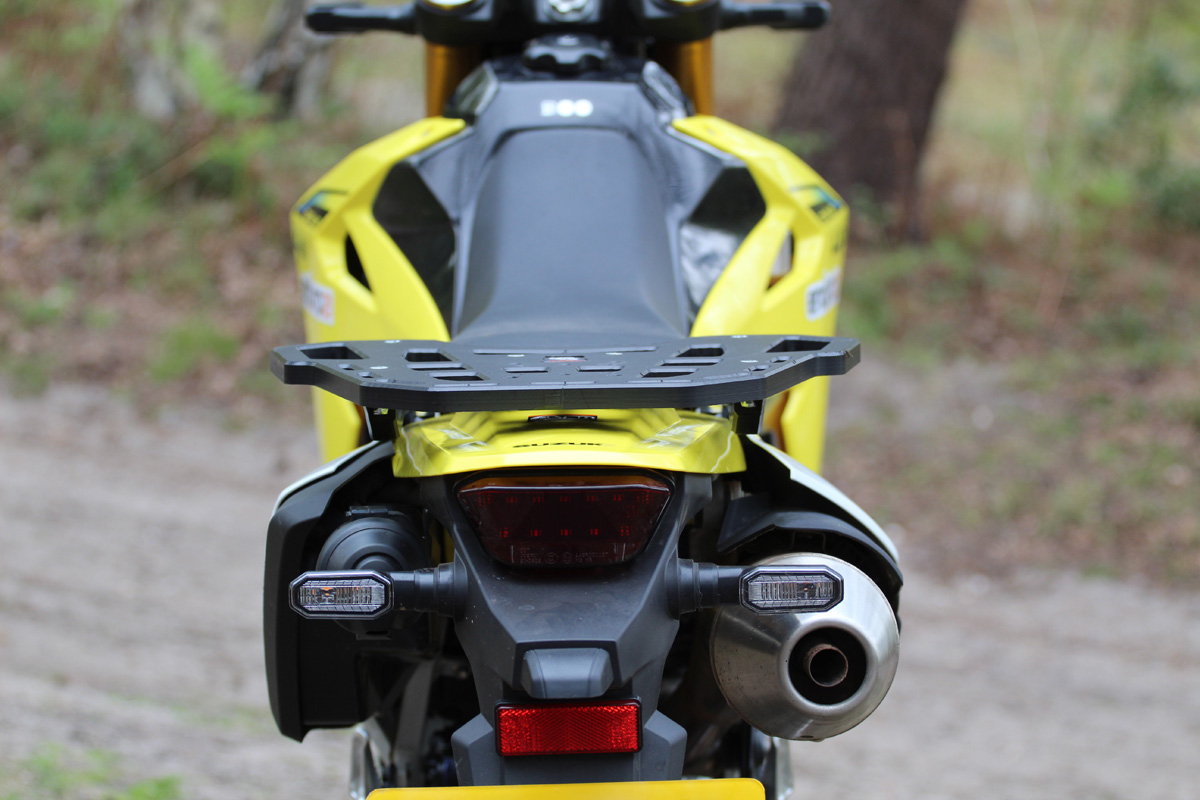
Enduro21 will run a separate review on the AXP Racing sump guard, rear rack, chain guide/rear sprocket protector and radiator braces we fitted to this DR-Z. But a quick note: they all worked really well.
The radiator braces offer solid protection against side impacts, the sump guard protects the frame rails and linkage, and the chain guide is tougher than the stock item.
The rear rack is also a great addition—lightweight, useful for moving the bike around and perfect for strapping on extra gear (or groceries, in our case).
Suzuki DR-Z4S Specifications:
Power: 38PS/HP
MPG: 80.22
Torque: 37Nm
Engine Capacity: 398cc
Drive: Chain
Bore x Stroke: 90mm x 62.6mm
Engine Type: 4-stroke, single-cylinder, liquid-cooled, DOHC
Compression Ratio: 11.1:1
Ignition: Electronic
Transmission: Five-speed
Starter: Electric
Suspension: KYB front and rear
Tyres: 80/100-21 front, 120/80-18 rear (tube-type)
Overall Length: 2270mm
Overall Width: 885mm
Overall Height: 1230mm
Ground Clearance: 300mm
Wheelbase: 1490mm
Kerb Mass: 151kg
Seat Height: 920mm
Fuel Capacity: 8.7L
Cost: £7999 / $8999 / €9699
Photo Credit: Enduro21 + Bramley Pearson